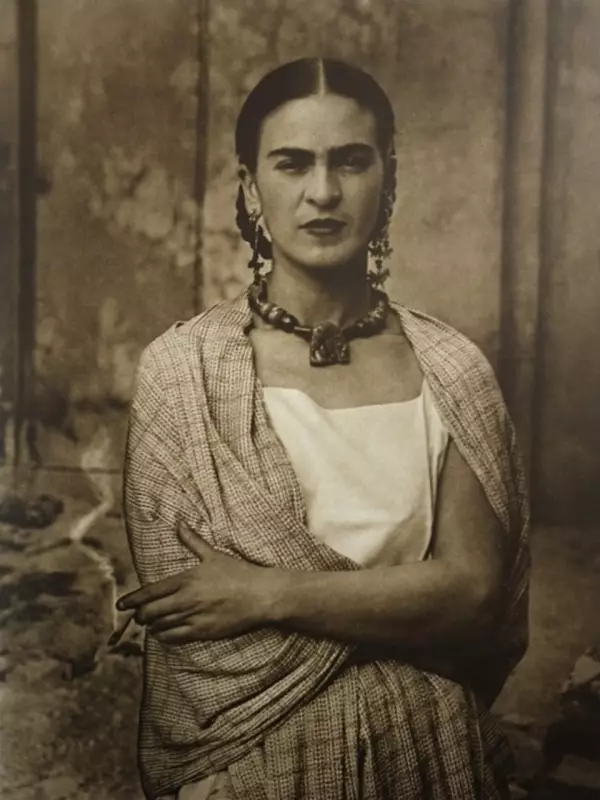
Exploring the Most Famous Paintings of Frida Kahlo
Frida Kahlo, the renowned Mexican artist, has left an indelible mark on the world of art with her deeply personal and evocative paintings. Her works, often characterized by vibrant colors and raw emotional intensity, continue to captivate audiences globally. This article delves into some of her most famous paintings, offering insights into the stories and themes that define her artistic legacy.
The Two Fridas (1939)
One of Kahlo's most celebrated works, The Two Fridas, is a powerful double self-portrait that explores themes of identity, duality, and heartbreak. Painted shortly after her divorce from Diego Rivera, the painting depicts two versions of Kahlo sitting side by side, connected by a vein that links their hearts. The Frida on the left, dressed in a European-style white lace dress, represents her broken heart, while the Frida on the right, in traditional Mexican attire, symbolizes her resilience and cultural roots. This masterpiece is housed in the Museo de Arte Moderno in Mexico City and remains a poignant reflection of Kahlo's inner turmoil and strength.
Self-Portrait with Thorn Necklace and Hummingbird (1940)
In this striking self-portrait, Kahlo presents herself adorned with a thorn necklace that draws blood, a dead hummingbird hanging from it, and a black cat and monkey perched on her shoulders. The painting is rich with symbolism: the thorns represent pain and suffering, the hummingbird, often a symbol of luck in Mexican culture, appears lifeless, hinting at lost hope, while the animals may signify companionship or darker omens. Created during a period of personal anguish, this work exemplifies Kahlo's ability to transform physical and emotional pain into profound artistic expression.

The Broken Column (1944)
The Broken Column is a harrowing depiction of Kahlo's physical suffering following a bus accident that left her with lifelong injuries. In the painting, her torso is split open to reveal a crumbling ionic column in place of her spine, with nails piercing her skin and tears streaming down her face. Set against a barren landscape, this self-portrait vividly conveys her chronic pain and fragility. It stands as a testament to her courage in confronting her disabilities and has become an iconic representation of resilience in the face of adversity.
Viva la Vida, Watermelons (1954)
Painted just days before her death, Viva la Vida, Watermelons is one of Kahlo's final works and a vibrant celebration of life. The painting features slices of watermelon in bold reds and greens, with the phrase "Viva la Vida" (Long Live Life) inscribed on one slice. Despite her declining health, this piece radiates energy and optimism, reflecting Kahlo's enduring spirit. It is often interpreted as her farewell message, embracing life's sweetness even in its final moments, and is displayed at the Museo Frida Kahlo in Mexico City.
Henry Ford Hospital (1932)
This painting captures one of Kahlo's most traumatic experiences: her miscarriage in Detroit. In Henry Ford Hospital, she lies naked on a hospital bed, connected by red ribbons to symbolic objects, including a fetus, a snail, and a pelvic bone, floating in a desolate landscape. The work is a raw and unfiltered exploration of loss, motherhood, and the female body, blending surrealist elements with personal narrative. It highlights Kahlo's unique style of using art as a means to process and communicate her deepest sorrows.
Why Frida Kahlo's Art Endures
Frida Kahlo's paintings continue to resonate with people around the world due to their universal themes of pain, identity, and resilience. Her ability to blend Mexican folk art with surrealist techniques created a distinctive visual language that speaks to both personal and cultural struggles. Today, her works are celebrated in major museums and exhibitions, inspiring countless artists and admirers. From The Two Fridas to Viva la Vida, Watermelons, each painting offers a window into her soul, making her one of the most influential artists of the 20th century.

In summary, Frida Kahlo's most famous paintings are not just artworks; they are profound narratives of her life's journey. Through her masterful use of symbolism and color, she transformed her experiences into timeless pieces that continue to educate and move audiences, solidifying her legacy as a true icon of art and empowerment.