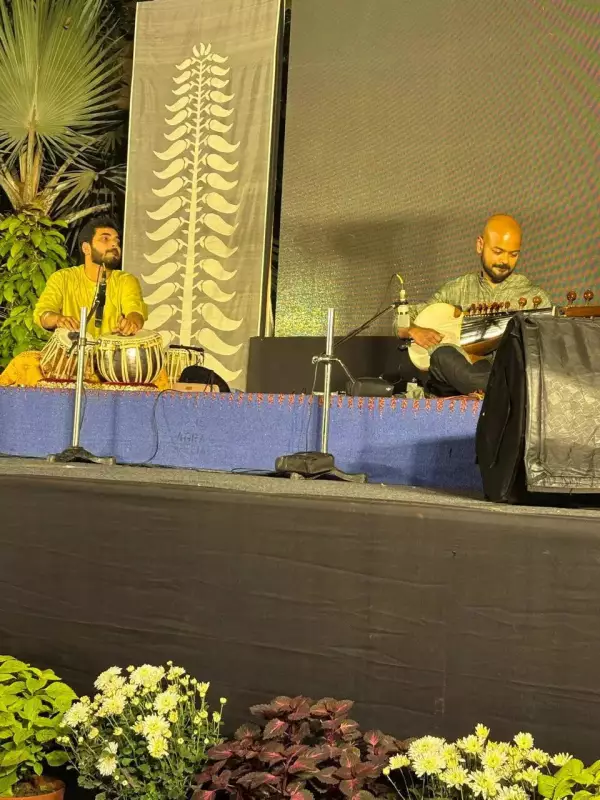
Kolkata recently played host to a unique cultural confluence, where the threads of textile artistry intertwined with the melodies of classical music. The three-day interdisciplinary festival, Fabric of Music, unfolded in mid-December at the historic Daga Nikunj in Ballygunge. This immersive event, a collaborative presentation by Weavers Studio and Soumik Dutta Arts, delved into the profound and often overlooked connections between Bengal's rich textile legacy and its storied musical traditions.
A Festival of Creative Exploration
The festival was designed as a deep dive into cultural synthesis. It commenced with an intensive two-day creative workshop, providing a platform for artists and enthusiasts to engage directly with the themes of the event. This was followed by a public showcase of new artistic compositions born from this interdisciplinary dialogue. A significant highlight was the screening of the documentary Textiles of the Bengal Delta: Epaar Opaar. The film offered a poignant reflection on the region's historic textile glory, the challenges it faced, and the ongoing efforts towards its meaningful revival, setting a contemplative tone for the festival.
A Grand Finale with Classical Resonance
The event reached its crescendo with a captivating solo performance that perfectly embodied its core theme. Internationally acclaimed sarod maestro Soumik Dutta took the stage, accompanied by the skilled tabla exponent Debjit Patitundi. Dutta's recital was a journey through emotion and technique, beginning with the evocative Raga Kaushiki Kanada. The performance masterfully unfolded through the traditional structure of alap, jhaptaal, and teentaal, building in intensity and complexity. The evening culminated in a vibrant and energetic jhala, leaving the audience mesmerized and providing a fitting auditory tapestry to the festival's visual and thematic explorations.

Celebrating Kolkata's Cultural Fabric
By choosing Daga Nikunj in Ballygunge as its venue, the Fabric of Music festival rooted itself in the heart of Kolkata's cultural geography. The event successfully moved beyond a standard concert or exhibition, positioning itself as a thoughtful inquiry into how two pillars of Bengali heritage—weaving and music—inform and inspire each other. It highlighted not just preservation, but active, contemporary creation inspired by tradition. The festival stands as a testament to the city's enduring role as a crucible for artistic innovation where the past is continually rewoven into the present.