The Frozen Thames and the Little Ice Age's Chilling Impact
In the year 1564, on New Year's Eve, a remarkable and frigid event unfolded across England. The nation's longest river, the Thames, which typically flowed with unimpeded freedom, froze completely from bank to bank. This extraordinary phenomenon transformed the river into a vast, icy playground. People gathered to light bonfires directly on the thick ice, roasted whole oxen over the flames, and danced merrily in the bitter cold. Historical accounts, including those reported by the BBC, even suggest that Queen Elizabeth I herself practiced archery on the frozen surface of the Thames.
This was not an isolated incident of severe weather. Nearly three decades earlier, in 1537, records indicate that King Henry VIII and his queen enjoyed a sleigh ride down the frozen river. These intensely cold winters were symptomatic of a much larger climatic period known as the Little Ice Age. This prolonged cold spell stretched from the 14th to the 19th century, bringing not only spectacular ice festivals but also devastating consequences. It triggered widespread famines, caused sudden, crop-killing frosts, and led to reports of soldiers freezing to death, even during the summer months.
Hardwick Hall: An Architectural Masterpiece Against the Cold
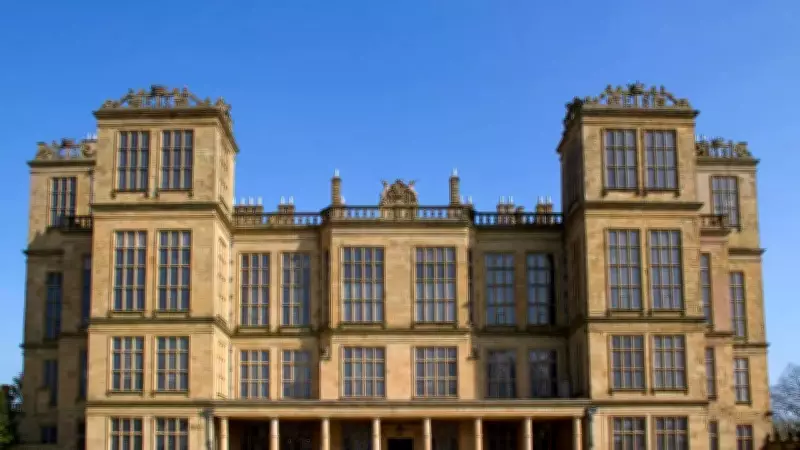
Amidst this backdrop of climatic adversity stands a perfect example of ingenious human adaptation: Hardwick Hall in Derbyshire. With its distinctive pale yellow walls, endless rows of windows, and skyward-reaching turrets, the hall was a statement of wealth in an era where glass was an expensive luxury. More importantly, it was meticulously designed for warmth and comfort during the Little Ice Age. Its builder, Elizabeth (Bess), Countess of Shrewsbury, demonstrated a profound, intuitive understanding of using sunlight, wall mass, and fireplaces to create a cozy interior. It appears the Elizabethans grasped the principles of thermal comfort far more than modern observers often credit them for, and many of their architectural tricks remain surprisingly relevant today.

Elizabeth's Clever Architectural Tricks for Staying Warm
As detailed in a BBC report, the strategic genius of Hardwick Hall begins with its orientation. The "old" Hall was slightly off an east-west alignment, but the main hall, constructed in the 1590s, was rotated nearly 90 degrees to a precise north-south orientation. This deliberate positioning maximized exposure to sunlight, capturing more natural heat throughout the day. It is said that Bess would move through the house following the sun's path—enjoying the morning light in the east-facing Long Gallery and basking in the afternoon warmth in her south-west facing bedchambers.
Practicality was also key. The kitchens were intentionally tucked into the coldest north-west corner, a clever move that helped keep food fresh. Visitors to the hall today can still feel the temperature difference; the kitchens are noticeably cooler, while the sunlit rooms feel invitingly warm. "They definitely thought about using the Sun in the design of Hardwick," confirms Elena Williams from the National Trust, highlighting the intentionality behind the layout.
The architectural warmth strategies extended far beyond sunlight. Some north-facing windows are actually fake, lined with lead and blocked up from the inside to prevent heat loss. The hall features massive fireplaces stacked along a central spine, and its walls are an impressive 1.37 metres thick. This constitutes significant thermal mass—the ability to absorb, store, and slowly release heat. Modern measurements suggest that on a freezing winter day, the interior of Hardwick Hall can feel up to 10 degrees Celsius warmer than the outside, or at least a consistent 2-3 degrees warmer. This effect was further enhanced by the Elizabethan use of curtains, heavy tapestries, and multiple layers of clothing, creating a system of layered insulation for both people and spaces.

Lessons from the Past for Modern Energy Efficiency
Experts suggest that Hardwick Hall might be a unique exemplar of its time. Its careful geometry, smart solar orientation, strategic fireplace placement, and substantial walls all combined to make the mansion livable in a brutally cold climate. Some academics believe its principles inspired later architectural designs, from Solar Pavilions to London council estates with south-facing terraces, proving that sun-soaking design is a fundamental principle for comfort, not just a luxury for the wealthy.
In stark contrast, many modern homes and buildings often ignore these simple, effective principles. Contemporary glass skyscrapers and energy-hungry HVAC systems frequently work overtime to compensate for poorly designed, thermally inefficient spaces. However, small, thoughtful changes inspired by Elizabethan ingenuity can make a substantial difference. Positioning a desk by a south-east facing window, planting deciduous trees for summer shade, or generally designing to use the sun's energy rather than constantly fighting against it can significantly reduce reliance on artificial heating and cooling. While such strategies may not replace modern systems entirely, they offer a powerful way to slash energy consumption and create more comfortable, sustainable living environments.