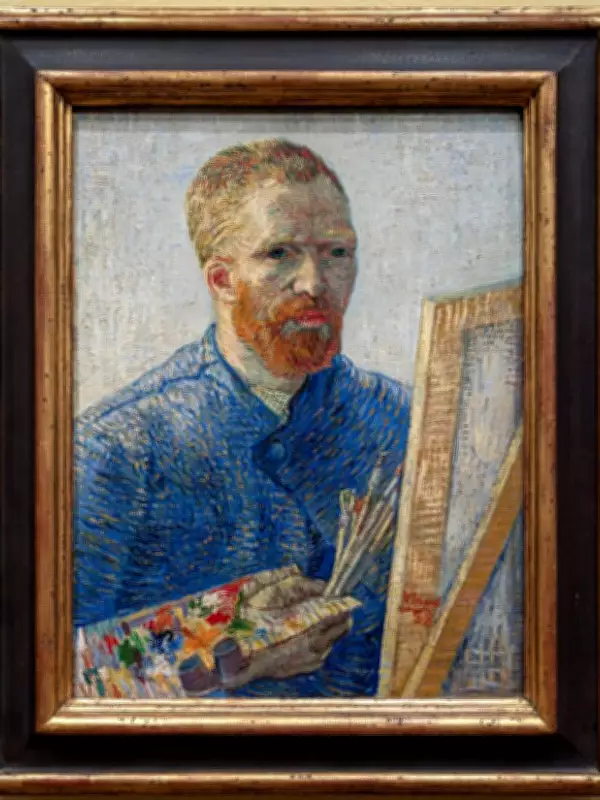
The Timeless Allure of Vincent van Gogh
Vincent van Gogh, the Dutch post-impressionist painter, remains one of the most beloved and influential artists in history, captivating audiences worldwide over a century after his death. His life and work continue to inspire fascination, admiration, and deep emotional connection. Here are eight compelling reasons why Van Gogh's legacy endures and why we love him so profoundly.
1. The Raw Emotional Power of His Art
Van Gogh's paintings are renowned for their intense emotional depth and expressive use of color and brushwork. Unlike many artists of his time, he did not aim for photographic realism but instead sought to convey his inner feelings and perceptions. Works like The Starry Night and Sunflowers pulsate with energy, using swirling skies and vibrant hues to evoke moods ranging from tranquility to turmoil. This emotional authenticity resonates with viewers, making his art feel personal and universally relatable.
2. A Tragic and Compelling Life Story
Van Gogh's life was marked by struggle, poverty, and mental health challenges, which add a poignant layer to his art. He sold only one painting during his lifetime and faced rejection from the art establishment. His well-documented battles with depression and his tragic death at age 37 have made him a symbol of the tortured artist. This narrative of suffering and perseverance humanizes him, fostering empathy and a deeper appreciation for his creative output against all odds.

3. Revolutionary Use of Color and Technique
Van Gogh was a pioneer in using color not just descriptively but expressively. He employed bold, contrasting colors and thick, impasto brushstrokes to create dynamic compositions. His innovative techniques, such as the visible brush marks in Wheatfield with Crows, broke from traditional methods and influenced future art movements like Expressionism and Fauvism. This artistic bravery makes his work visually striking and historically significant.
4. The Universal Themes in His Work
Van Gogh often depicted everyday subjects—peasants, landscapes, and still lifes—infusing them with profound meaning. His focus on themes like nature, labor, and human connection speaks to fundamental aspects of the human experience. For instance, his series of Potato Eaters highlights the dignity of rural life, while his self-portraits explore identity and introspection. These universal themes ensure his art remains relevant across cultures and generations.
5. His Prolific and Diverse Body of Work
Despite his short career, Van Gogh produced over 2,000 artworks, including around 860 oil paintings. His oeuvre spans portraits, landscapes, and still lifes, showcasing his versatility and relentless dedication. From the serene Almond Blossom to the chaotic The Night Café, his diverse portfolio offers something for every art lover, demonstrating his range and creative evolution.
6. Influence on Modern Art and Culture
Van Gogh's impact extends far beyond the art world. He has inspired countless artists, filmmakers, musicians, and writers. His life has been depicted in movies like Lust for Life, and his imagery appears in popular culture, from merchandise to digital media. This widespread influence cements his status as a cultural icon, making his art accessible to broad audiences beyond traditional galleries.
7. The Mystery and Intrigue Surrounding Him
Aspects of Van Gogh's life, such as the incident with his ear and the exact circumstances of his death, remain shrouded in mystery. These enigmas fuel ongoing research, speculation, and public interest. They add an element of intrigue to his story, encouraging people to delve deeper into his biography and art, keeping his legacy alive in academic and popular discussions.
8. His Personal Letters and Philosophical Insights
Van Gogh was a prolific letter writer, particularly to his brother Theo. These correspondence reveal his thoughts on art, life, and his creative process. They provide intimate insights into his mind, showing his intelligence, vulnerability, and unwavering passion for art. Reading his letters enhances understanding of his work, fostering a personal connection that transcends time.

Conclusion: A Legacy That Endures
Vincent van Gogh's appeal lies in the perfect storm of his emotional art, tragic biography, and lasting cultural impact. His ability to convey deep feelings through vibrant visuals, combined with his relatable human struggles, ensures that he remains a figure of admiration and study. As we continue to explore his work, Van Gogh reminds us of the power of art to express the inexpressible and connect us across centuries. His starry nights and sunflowers will forever shine brightly in the annals of art history, captivating hearts and minds for generations to come.