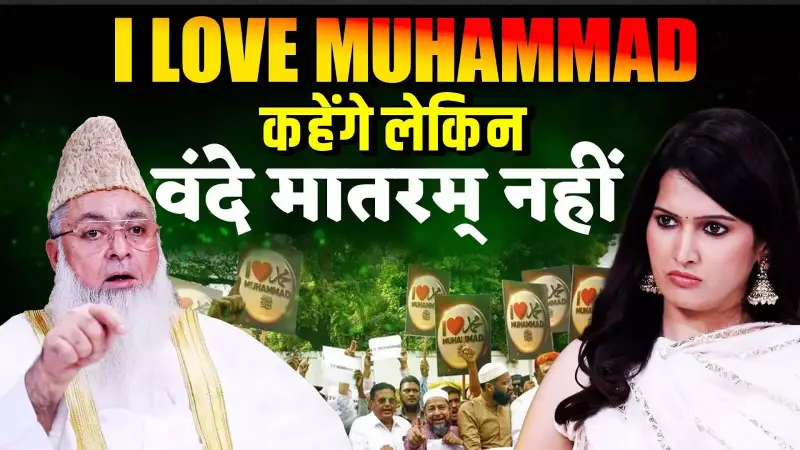
In a recent discussion that sheds light on a complex national conversation, Dr. Imam Ahmed Illyasi has shared his perspective on the intersection of Islamic faith and Indian patriotism. The video, published on December 29, 2025, at 1:52 PM IST, delves into why many Muslims express deep love for Prophet Muhammad but may view chanting "Vande Mataram" as a contentious issue.
The Core of the Controversy: Faith vs. National Expression
Dr. Illyasi, a respected Islamic scholar, provides a detailed explanation for this seemingly contradictory position. He clarifies that a Muslim's devotion to Prophet Muhammad is a fundamental pillar of their faith, rooted in religious doctrine and personal spiritual connection. This expression of love is a direct component of their Islamic identity.
However, the issue with "Vande Mataram," India's national song, is more nuanced. Dr. Illyasi points to religious, cultural, and historical reasons that create a dilemma for some members of the community. The core of the controversy often lies in interpretations of the song's lyrics and its historical context, which some believe conflict with Islamic principles of monotheism.

Navigating the Intersection of Belief and Nationalism
The scholar's analysis highlights the broader, ongoing debate in India about where religious belief ends and patriotic duty begins. He discusses how this specific issue represents a larger challenge for Indian Muslims: demonstrating their loyalty to the nation while remaining steadfast to their theological tenets.
Dr. Illyasi's commentary moves beyond surface-level arguments to explore the deep-seated historical context that fuels the debate. He explains that for many, the hesitation is not about a lack of patriotism but about a conflict of conscience based on specific religious interpretations. The discussion underscores that patriotism can be expressed in myriad ways beyond a single slogan.
Understanding Nuance in a Polarized Discourse
For viewers, the video serves as an educational resource to understand a highly sensitive topic often mired in misunderstanding. Dr. Illyasi emphasizes the need for nuanced perspective in public discourse, urging a move away from binary judgments of "patriotic" or "anti-national."
The takeaway is a clearer insight into the complex relationship between religion, personal belief, and patriotic expressions in a diverse democracy like India. The conversation initiated by Dr. Illyasi is part of a crucial social discussion about faith, identity, and belonging in the modern Indian context.
Ultimately, the dialogue encourages a more empathetic understanding of the challenges faced by communities when symbols of nationalism are perceived to intersect with or challenge the boundaries of their faith.