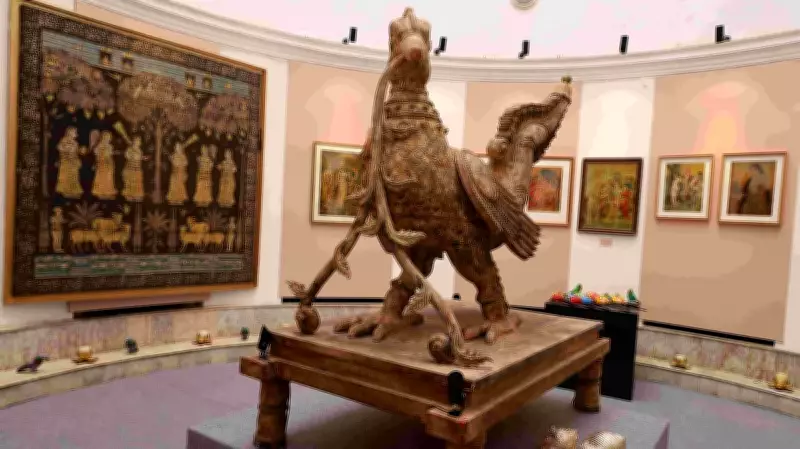
Faith, a deeply personal and universal aspect of human experience, takes on countless forms across the globe. From the intricate rituals of ancient traditions to the modern expressions of spirituality, the many faces of faith reveal a rich tapestry of belief systems that shape cultures and individual lives. This article explores how faith manifests in diverse ways, emphasizing the common threads that unite humanity in its search for meaning.
The Rituals of Faith
Rituals are a cornerstone of religious practice, providing structure and a sense of community. In Hinduism, elaborate ceremonies like puja involve offerings of flowers, incense, and food to deities, creating a sensory experience that connects the devotee to the divine. Similarly, in Islam, the five daily prayers (salat) are a physical and spiritual discipline, aligning the believer with the rhythms of the cosmos. These rituals, whether public or private, serve as anchors for faith, reinforcing beliefs and fostering a sense of belonging.
Art as a Medium of Faith
Art has long been a vehicle for expressing faith. From the stained glass windows of Gothic cathedrals to the intricate mandalas of Tibetan Buddhism, visual art captures the essence of spiritual concepts. Music also plays a vital role; gospel choirs in Christianity, qawwali in Sufi Islam, and bhajans in Hinduism all use melody and rhythm to evoke devotion. These artistic forms transcend language barriers, allowing individuals to experience faith on an emotional level.

Faith in Daily Life
Beyond formal rituals and art, faith permeates daily life. Many people incorporate prayer or meditation into their morning routines, seeking guidance and peace. Acts of charity, such as zakat in Islam or tzedakah in Judaism, are seen as expressions of faith in action. Even in secular contexts, values like compassion and justice often stem from religious roots, demonstrating how faith shapes ethical frameworks.
Modern Challenges and Adaptations
In an increasingly globalized world, faith faces new challenges. Technology has enabled virtual worship services, allowing believers to connect across distances. However, it also raises questions about authenticity and community. Interfaith dialogue has become crucial, fostering understanding and cooperation among different traditions. Many people today identify as spiritual but not religious, crafting personalized belief systems that draw from multiple sources. This evolution shows that faith is not static but adapts to changing circumstances.
Ultimately, the many faces of faith reflect the human need for connection—to the divine, to each other, and to the mysteries of existence. Whether through ancient rituals, vibrant art, or everyday acts of kindness, faith continues to inspire and guide millions around the world.