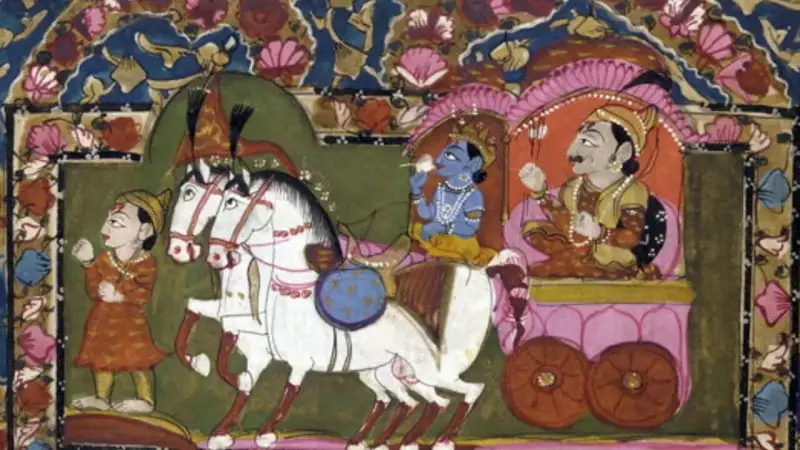
The ancient Sanskrit phrase "Dharma protects those who protect it" holds deep wisdom. This powerful statement originates from two key texts: the Mahabharat and the Manu Smriti. It teaches a fundamental truth about life and morality.
The Core Meaning of the Shloka
Let's break down the phrase "Dharma protects those who protect it" to understand its essence. The word Dharma signifies righteousness, moral law, duty, and the cosmic order. Rakṣati means protects. Rakṣitaḥ refers to one who protects.
This combination delivers a clear message. When you uphold Dharma, it safeguards you in return. The concept emphasizes that living a truthful and ethical life protects your reputation, destiny, and overall well-being.

Dharma as the Supreme Regulator
In ancient Indian thought, Dharma stands as the supreme regulator of society. Nothing and nobody exists above it. This principle asserts that power without righteousness always leads to downfall. Truth and justice ultimately prevail.
The Mahabharat provides a classic illustration. The Kauravas faced destruction by the Pandavas. Why? They chose the wrong path. They attempted to destroy Dharma. In doing so, Dharma destroyed them. This story perfectly exemplifies the shloka's teaching.
Modern Relevance of the Teaching
This ancient wisdom remains highly relevant today. It guides individuals toward righteous living and moral responsibility. Following Dharma helps people walk the path of goodness.
The statement carries immense power. It explains that abandoning Dharma invites trouble. Conversely, protecting it ensures protection. This cycle reinforces the importance of ethical conduct in all aspects of life.
These texts remind us that righteousness wins in the end. They encourage us to integrate these values into our daily actions. By doing so, we align ourselves with a timeless principle that has guided civilizations for centuries.