Dhammakranti at 70: A Critical Look at Ambedkar's Buddhist Conversion Legacy
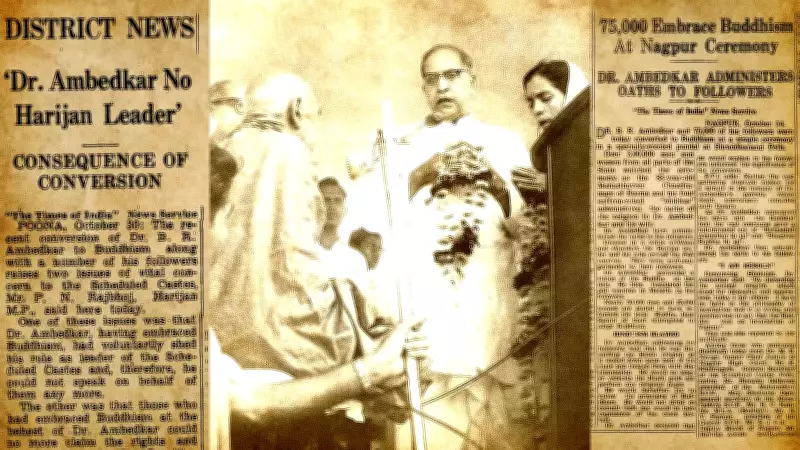
Seventy years have passed since the momentous event known as Dhammakranti, when Dr. B.R. Ambedkar, along with hundreds of thousands of followers, embraced Buddhism at Dikshabhumi in Nagpur on October 14, 1956. This historic conversion, often eulogized by the Dalit community, marks a pivotal chapter in India's social and religious history. As we reach this significant anniversary, it is an opportune time to reflect on what this profound act has truly achieved and its enduring impact on Indian society.
The Historical Context and Significance of Dhammakranti
Babasaheb Ambedkar's decision to convert to Buddhism was not merely a personal religious choice but a powerful political and social statement against the caste-based discrimination entrenched in Hinduism. By leading a mass conversion ceremony, he sought to provide untouchables, now referred to as Dalits, with a path to dignity, equality, and spiritual liberation outside the oppressive caste system. The term Dhammakranti, meaning "Dharma revolution," encapsulates the transformative aspirations of this movement, aiming to forge a new identity and societal structure based on Buddhist principles of compassion and non-discrimination.
Challenges in Assessing the Impact After Seven Decades
Evaluating the true impact of Dhammakranti over the past seventy years is a complex and often contentious endeavor. In India, such critical assessments are frequently hindered by the intense passions and polarized perspectives that surround foundational events like this one. Public discourse tends to oscillate between reverence and denunciation, leaving little room for objective, nuanced analysis. This challenge extends beyond Dhammakranti to other key historical milestones, including Independence, the drafting of the Constitution, and similar transformative episodes, where serious scholarly evaluation remains scarce amidst emotional and ideological debates.

The lack of comprehensive, unbiased studies on Dhammakranti highlights a broader issue in Indian historiography: a tendency to prioritize myth-making over critical inquiry. As a result, understanding the full scope of its achievements—whether in terms of social mobility, political empowerment, or cultural identity for Dalits—requires navigating through layers of interpretation and sentiment.
Key Achievements and Ongoing Debates
Despite these challenges, several key outcomes of Ambedkar's conversion to Buddhism can be identified:
- Empowerment and Identity Formation: Dhammakranti provided Dalits with a distinct religious and cultural identity, fostering a sense of pride and community solidarity that has been instrumental in their struggles for rights and recognition.
- Political Mobilization: The conversion catalyzed political movements, inspiring Dalit activism and influencing policies aimed at social justice and affirmative action in post-independence India.
- Spiritual and Social Liberation: By rejecting caste-based Hinduism, Ambedkar offered an alternative framework for spiritual practice that emphasizes equality, potentially reducing the psychological burdens of untouchability.
However, debates persist regarding the extent of these achievements. Critics argue that while Dhammakranti has symbolic and inspirational value, its practical impact on eradicating caste discrimination and improving socio-economic conditions for Dalits has been limited. Issues such as poverty, violence, and marginalization continue to affect many in the community, suggesting that the revolution envisioned by Ambedkar remains an ongoing project rather than a completed transformation.
Looking Forward: The Legacy of Dhammakranti in Modern India
As India moves further into the 21st century, the legacy of Dhammakranti continues to resonate in various spheres:

- Cultural and Religious Revival: Buddhism has seen a revival among Dalits, with increased temple constructions, educational initiatives, and cultural events that keep Ambedkar's vision alive.
- Academic and Intellectual Discourse: Scholars are increasingly exploring Dhammakranti from interdisciplinary angles, contributing to a more nuanced understanding of its historical and contemporary relevance.
- Social Justice Movements: The principles of Dhammakranti inspire ongoing advocacy for equality and human rights, influencing broader discussions on diversity and inclusion in Indian society.
In conclusion, seventy years after Dhammakranti, Ambedkar's conversion to Buddhism stands as a landmark event that has profoundly shaped India's social landscape. While its full impact may be difficult to measure due to the passions it evokes, its role in empowering Dalits and challenging caste hierarchies is undeniable. As we reflect on this anniversary, fostering objective assessments and critical dialogues will be essential to honor its legacy and address the unfinished work of social transformation.