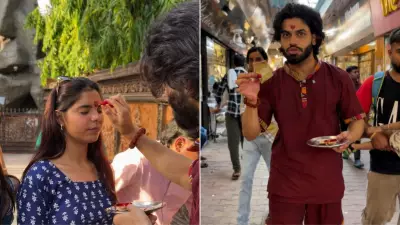
In a unique display of devotion and adherence to advisory, over fifty pilgrims have sent written letters of apology to the deity at Vrindavan's iconic Banke Bihari Temple. This comes after they cancelled their planned New Year visits following an official request from the temple administration to avoid crowding until January 5.
A Gesture of Faith: The Apology Letters
Temple officials confirmed receiving more than 50 such letters from devotees who expressed regret for not being able to keep their ritualistic promises for the New Year. Many of these letters were sent by women devotees who decided to postpone their 'darshan' due to fears of severe overcrowding during the festive rush. Among them was a devotee from Delhi who specifically sought forgiveness for breaking a personal New Year ritual she had followed faithfully for years. Notably, some of these heartfelt apologies were submitted anonymously.
Temple servitor Gopi Goswami verified the receipt of these communications. He clarified that the advisory was issued purely as a crowd-management measure for the New Year festivities and was not intended to stop devotion but to ensure safety and a better experience for all visitors.

Advisory Ignored: Massive Turnout on New Year's Day
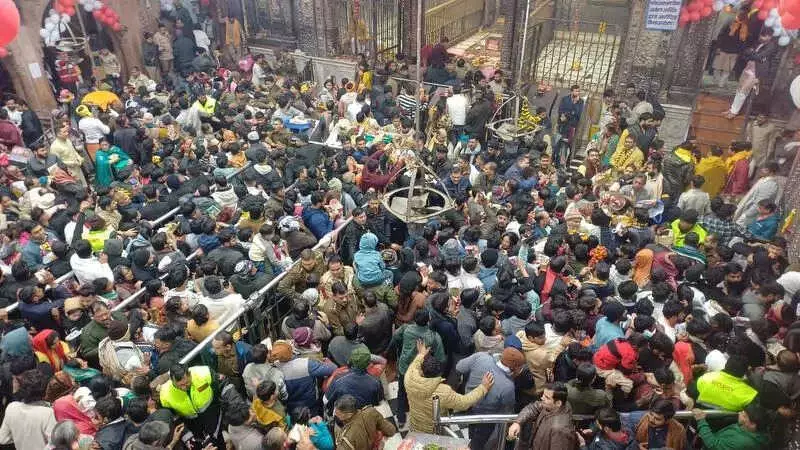
Despite the well-publicised advisory requesting pilgrims to delay their visit until after January 5, Vrindavan witnessed a massive influx of devotees on the very first day of 2026. Large crowds converged not only at the Banke Bihari Temple but also at other major shrines across the holy town, testing the limits of local infrastructure and security arrangements.
Stringent Security and Traffic Measures Enforced
Anticipating the surge, the police department remained on high alert. Long queues of devotees stretched across key routes, leading to significant traffic challenges. Mathura Sadar DSP Sandeep Singh outlined the special arrangements put in place to manage the situation. These comprehensive measures included:
- Restricting vehicle entry in the immediate vicinity of major temples.
- Temporarily suspending e-rickshaw services in critical zones to ease congestion.
- Diverting general traffic to designated parking areas located away from the temple premises.
- Deploying additional police personnel specifically for crowd control and enhanced security.
The incident highlights the deep-seated devotional practices in India, where a temple advisory is taken so seriously that devotees feel compelled to formally apologise to the deity. Simultaneously, it underscores the perennial challenge of managing overwhelming pilgrim footfall during peak festive seasons at the country's popular religious centres.