Destination India Exhibition Unveils Intimate Orientalist Art in Kolkata
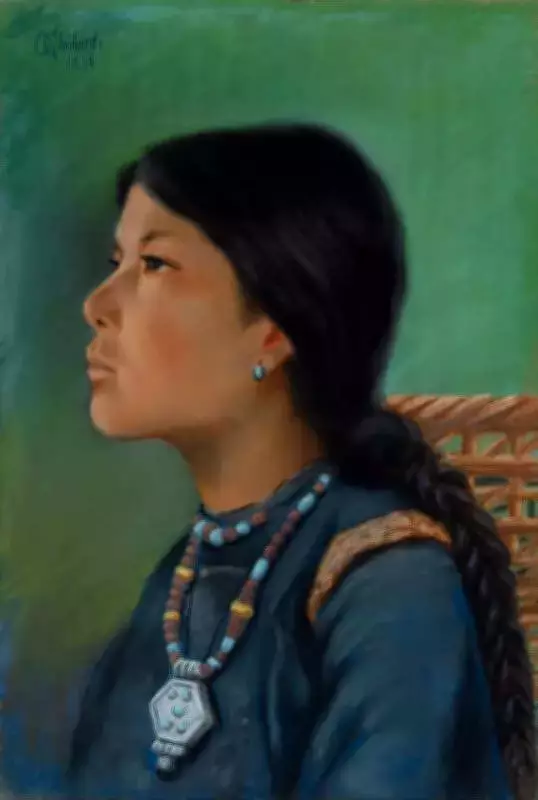
A captivating exhibition titled Destination India is set to open at the Alipore Museum in Kolkata on February 28, presenting a unique collection of works by foreign artists who journeyed to India between the Uprising of 1857 and Independence in 1947. This exhibition highlights a later phase of Orientalist art, distinct from earlier periods, as it delves into more personal and street-level depictions of Indian life, rather than focusing solely on grand monuments and vast landscapes.
Exhibition Details and Duration
The exhibition, organized by DAG, will run until May 2, offering visitors an extended opportunity to explore these artistic treasures. It features a diverse array of artists from countries including Germany, Holland, Denmark, France, America, Japan, and Britain, showcasing how painters and printmakers captured a rapidly changing India during a time when picture postcards became popular from 1880 onwards and photography emerged as the dominant medium for documentation.
Featured Artists and Their Contributions
Notable artists whose works will be displayed include Edward Lear, who toured India extensively from November 1873 to January 1875. Other prominent Orientalist artists featured are William Simpson, Olinto Ghilardi, Marius Bauer, Erich Kips, and Hugo Pederson. The exhibition also includes contributions from artists further afield, such as Edwin Lord Weeks from America and Hiroshi Yoshida from Japan, adding a global perspective to the collection.

Insights from DAG and Alipore Museum Officials
Ashish Anand, CEO and MD of DAG, emphasized the significance of this exhibition, stating, "When considering British and other European representations of India, the focus is often on the pioneers. This traditional trajectory overlooks the many interesting artists who visited India in the late 19th and early 20th centuries. These conventional artists, working in oil, watercolour, and various print media, came with different aesthetic sensibilities and interests. In their works, we find an India that we do not just see, but that we can hear and smell."
Jayanta Sengupta, Director of the Alipore Museum, added, "Destination India reveals a personal and intimate engagement with India—a tapestry of people and places seen through the eyes of those who found both beauty and meaning in the country's cultural and social fabric during a time of profound change."
Historical Context and Artistic Evolution
This exhibition sheds light on an often-overlooked era in Orientalist art, where artists moved beyond monumental scenes to capture everyday life and cultural nuances. It reflects a shift in artistic focus, paralleling India's own transformations during this period, and offers a richer, more sensory understanding of the country's heritage through the lenses of diverse international creators.