The Delhi government has sparked a significant debate about heritage ownership with its recent proposal to allow private events, including weddings, at approximately 80 state-protected monuments through a public-private partnership model. This initiative aims to boost tourism and enhance public accessibility, but it raises crucial questions about who truly owns these historical sites and how cultural programming might reshape their meaning and access.
The Paradox of Popular Monuments
Historical monuments in Delhi exist in a complex space of contested ownership. As journalist Adrija Roychowdhury discovered while reporting on the Qutub Minar, residents of surrounding neighborhoods recall a time before ticketed access when they enjoyed intimate relationships with the 12th-century complex. Their memories include children playing around the soaring minaret and families spending winter afternoons among the ruins.
Today, the victory tower commissioned by Turkic general Qutbuddin Aibak draws some of India's highest tourist footfalls, yet it has grown increasingly distant from the communities living closest to it. This paradox highlights the tension between monument preservation and community access that the new proposal must address.

Cultural Programming: Global Precedents and Local Opportunities
The Delhi government's plan, announced in November 2025, has generated cautious enthusiasm among heritage experts and local communities. Supporters argue that carefully managed cultural events could foster deeper public engagement and bring relevance to neglected sites. The proposal follows successful initiatives like the Delhi government's monsoon festival in Mehrauli, which featured workshops, heritage walks, and performances at three obscure sites: Aam Bagh, Jahaz Mahal, and Jharna.
This festival not only drew attention to lesser-known monuments but also created platforms for local artists to showcase their work. The global context provides additional validation, with events like the Forever Is Now art festival at Egypt's Giza pyramids and Lebanon's Baalbeck International Festival demonstrating how cultural programming can revitalize ancient sites. Within India, the Mehrangarh Fort in Jodhpur and Gwalior Fort have successfully hosted visually stunning musical and artistic performances that attract international visitors seeking renewed meaning among ancient ruins.
Conservation Concerns and Narrative Control
Despite potential benefits, the proposal raises legitimate concerns about conservation and cultural memory preservation. While strict protocols covering lighting, sound, stage construction, capacity, and waste management can protect physical structures, larger questions about access and narrative control remain unresolved.
The fundamental concern revolves around who gains cultural authority over monuments and who risks exclusion. As with the ticketed access at Qutub Minar, could celebrity performances or high-end weddings further alienate surrounding communities? Would heritage become exclusively accessible to those who can afford it?
Conservation experts emphasize that for people to value historical ruins, they must see them as both meaningful and economically sustainable. Any cultural event must center and materially benefit the neighborhoods sharing space with these monuments.
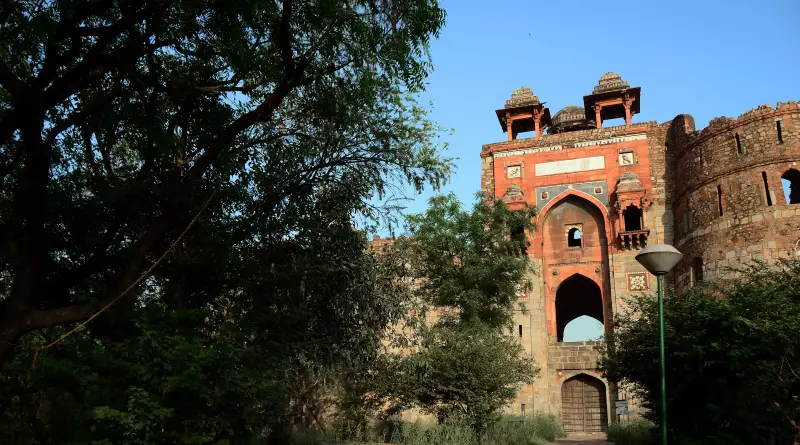
Beyond physical access lies the question of narrative power. Monuments serve as repositories of stories, and events held within them bear responsibility for honoring the histories they embody. The recent spate of Mahabharata-themed performances at the 16th-century Purana Qila illustrates this challenge. These shows foreground the tale of Indraprastha, believed by some to have stood at the site, while often sidelining the story of Mughal emperor Humayun, under whom the fort's construction began.
Such curatorial choices are never innocent—cultural events actively shape what we remember and what we forget, framing the past for present consumption. The critical question becomes: Who tells these stories, and to what purpose?

As Delhi moves forward with its proposal, the city faces balancing tourism development with community inclusion, economic benefits with historical preservation, and global appeal with local narratives. The outcome will determine whether monuments become exclusive venues for the privileged or remain living sites of shared heritage and memory.