Modern Technology Unlocks Ancient Egyptian Secrets Through Mummy CT Scan
In a remarkable fusion of ancient history and cutting-edge science, researchers have employed sophisticated CT scanning technology to peer inside an Egyptian mummy, uncovering secrets that have remained hidden for millennia. This non-invasive procedure has provided unprecedented insights into the burial practices, health, and life of an individual from a civilization that flourished thousands of years ago.
How CT Scanning Revolutionizes Archaeological Studies
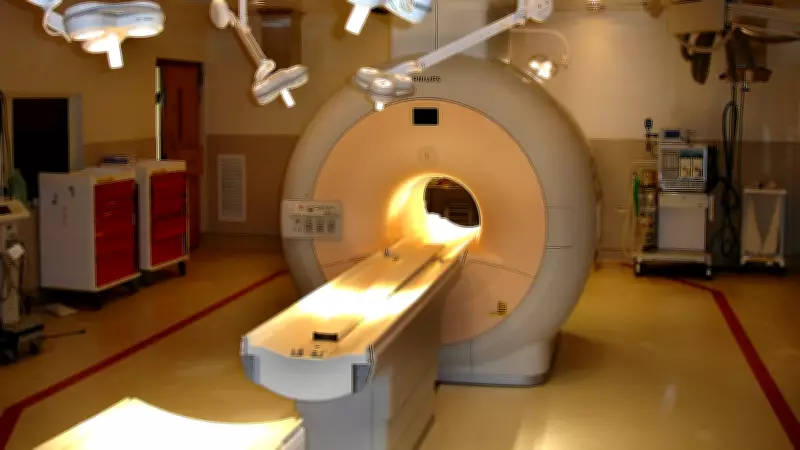
Computed Tomography (CT) scanning, a medical imaging technique commonly used in hospitals, has become a powerful tool in archaeology. Unlike traditional methods that might damage fragile remains, CT scans allow scientists to create detailed 3D images of mummies without unwrapping them. This approach preserves the integrity of these priceless artifacts while revealing information about age, gender, diseases, and even the mummification process itself.
The recent scan of an Egyptian mummy has yielded fascinating results. Researchers were able to identify specific materials used in the wrapping, such as linen and resins, and detect amulets or other objects placed within the bandages for spiritual protection. Additionally, the scan provided clues about the individual's health, potentially showing signs of dental issues, bone fractures, or chronic conditions that affected ancient populations.

Key Discoveries from the Mummy Scan
The analysis of the CT scan data has led to several important findings:
- Preservation of soft tissues: The scan revealed how well the mummification process preserved muscles and organs, offering insights into ancient Egyptian embalming techniques.
- Burial artifacts: Hidden objects within the wrappings, such as jewelry or symbolic items, were visualized, shedding light on cultural and religious practices.
- Health indicators: Evidence of diseases or injuries helps historians understand the living conditions and medical knowledge of the time.
- Age and gender determination: Bone structure and dental development allowed researchers to estimate the mummy's age and biological sex with greater accuracy.
This research not only enriches our understanding of ancient Egypt but also demonstrates how modern technology can bridge the gap between past and present. By applying medical imaging to archaeological studies, scientists are able to answer questions that were previously unanswerable, providing a more complete picture of human history.
The Broader Impact on Historical Research
The use of CT scanning in archaeology is part of a growing trend where technology enhances historical exploration. Similar techniques have been applied to other mummies and ancient remains worldwide, from Peru to China, revealing cross-cultural practices and biological data. This interdisciplinary approach, combining fields like radiology, anthropology, and Egyptology, is transforming how we study and preserve our global heritage.
As technology advances, future scans may uncover even more details, such as genetic information or environmental factors that influenced ancient lives. For now, this Egyptian mummy scan stands as a testament to the power of innovation in unlocking the mysteries of the past, offering a glimpse into a world that continues to captivate and inspire.