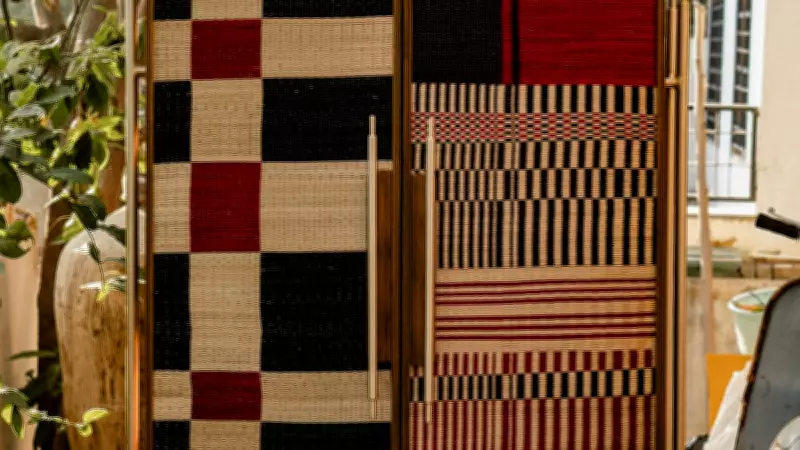
Craft Beyond Nostalgia: A New Era for India's Artisanal Heritage
In the vibrant tapestry of India's cultural landscape, traditional crafts have long been cherished as symbols of heritage and identity. However, a transformative shift is underway, moving these art forms beyond mere nostalgia into a dynamic realm of innovation and sustainability. This evolution is not just about preserving the past but actively shaping a future where artisans thrive and cultural expressions remain relevant in a globalized world.
The Historical Significance of Indian Crafts
India's craft traditions, spanning centuries, encompass a diverse array of techniques and materials—from intricate textiles like Banarasi silk and Kalamkari to metalwork, pottery, and wood carving. These crafts have historically served as economic pillars for communities, with skills passed down through generations. They reflect regional identities, religious beliefs, and social customs, embedding stories and values into everyday objects. For instance, the Madhubani paintings of Bihar narrate mythological tales, while the Pattachitra scrolls of Odisha depict folk traditions.
Challenges Facing Traditional Artisans
Despite their rich legacy, many artisans face significant hurdles in the modern economy. Issues such as lack of market access, competition from mass-produced goods, and diminishing interest among younger generations threaten the survival of these crafts. According to recent studies, over 50% of artisan households in India live below the poverty line, highlighting the urgent need for intervention. Additionally, the COVID-19 pandemic exacerbated these challenges, disrupting supply chains and reducing demand for non-essential goods.

- Limited financial resources and credit access for small-scale artisans.
- Inadequate infrastructure for marketing and distribution.
- Environmental concerns, such as unsustainable sourcing of materials.
- Cultural erosion due to urbanization and changing lifestyles.
Innovative Approaches to Revitalization
To address these issues, a wave of innovation is sweeping through the craft sector, blending tradition with contemporary trends. Designers, entrepreneurs, and NGOs are collaborating with artisans to create products that appeal to modern consumers while honoring heritage. For example, fashion brands are incorporating handwoven textiles into high-end apparel, and home decor companies are using traditional motifs in minimalist designs. Digital platforms have also emerged as game-changers, enabling artisans to reach global audiences through e-commerce and social media.
Notable initiatives include:- Government schemes like the Handicrafts Development Program, which provides training and financial support.
- Private-sector partnerships that focus on sustainable sourcing and fair trade practices.
- Educational programs in design schools that integrate traditional crafts into curricula.
- Community-based tourism projects that showcase artisan villages to visitors.
The Role of Technology and Sustainability
Technology is playing a pivotal role in this revival, with tools like 3D printing and digital design software helping artisans experiment with new forms and efficiencies. Moreover, sustainability has become a core focus, as consumers increasingly demand eco-friendly products. Artisans are adopting natural dyes, recycled materials, and energy-efficient processes, aligning with global environmental goals. This not only enhances the appeal of crafts but also ensures their long-term viability in a resource-conscious world.
Cultural Impact and Future Prospects
Beyond economic benefits, this movement is strengthening cultural pride and identity among artisans. By valuing their skills and stories, it fosters a sense of ownership and continuity. Looking ahead, the future of Indian crafts lies in balancing preservation with adaptation. Experts predict that by 2030, the craft sector could contribute significantly to India's GDP if supported by policies that promote innovation, education, and market integration. Ultimately, crafting beyond nostalgia means embracing change while honoring roots, ensuring that these art forms remain vibrant for generations to come.

In conclusion, India's artisanal heritage is at a crossroads, where nostalgia meets necessity. Through collaborative efforts and creative reinvention, crafts are being reimagined as living traditions that enrich both the economy and culture. As we move forward, it is essential to support artisans not as relics of the past but as pioneers of a sustainable and inclusive future.