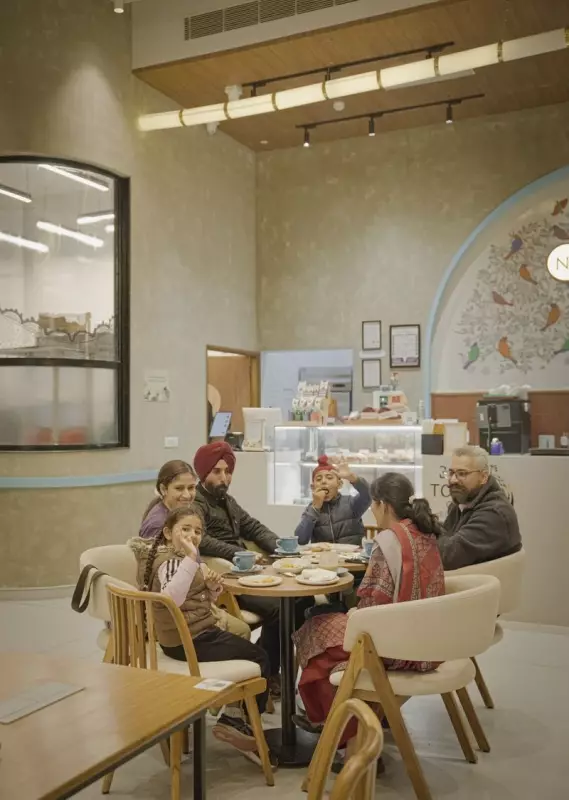
New Delhi recently witnessed the launch of a vibrant and immersive experience where the rich aroma of coffee intertwined with creative expression. The 'Coffee Meets Culture' pop-up event successfully transformed a city space into a dynamic cultural hub, celebrating community, art, and the love for a good brew.
A Multisensory Experience in the Heart of the City
This unique initiative was designed to be more than just a coffee shop. It was a carefully curated space where various art forms converged. Visitors were treated to live music performances that provided a soulful backdrop to their visit. The walls of the venue served as a canvas for talented local artists, showcasing a diverse range of visual art that sparked conversations.
At the core of the experience was, of course, the coffee. The pop-up featured specialty brews and innovative coffee-based concoctions, appealing to both traditional coffee lovers and adventurous palates. The event created a perfect environment for relaxation, social interaction, and cultural appreciation, all centered around the universal language of coffee.

Fostering Community and Creative Connections
The 'Coffee Meets Culture' concept was built on the powerful idea of creating a community space. It aimed to break the monotony of standard cafe visits by offering an engaging and interactive atmosphere. The event provided a valuable platform for emerging artists and musicians to present their work to an attentive and appreciative audience.
This fusion proved to be a significant draw for Delhi's youth, professionals, and art enthusiasts. It highlighted a growing trend in urban India where consumers seek out experiences that offer more than just a product—they seek connection, inspiration, and a sense of belonging. The pop-up demonstrated how food and beverage venues can evolve into cultural landmarks.
The Lasting Impact and Future of Experiential Spaces
The success of the 'Coffee Meets Culture' pop-up underscores a shift in urban lifestyle and entertainment preferences. It shows a clear demand for spaces that cater to multiple interests simultaneously, creating a richer social fabric. Events like these contribute to the local creative economy by supporting artists and fostering a culture of patronage.
The positive response suggests a bright future for similar experiential concepts in New Delhi and other major Indian cities. It sets a precedent for businesses to think beyond conventional models and integrate community and culture into their core offering. The blend of caffeine and creativity has undoubtedly left a memorable impression, paving the way for more such innovative gatherings that enrich the city's cultural landscape.