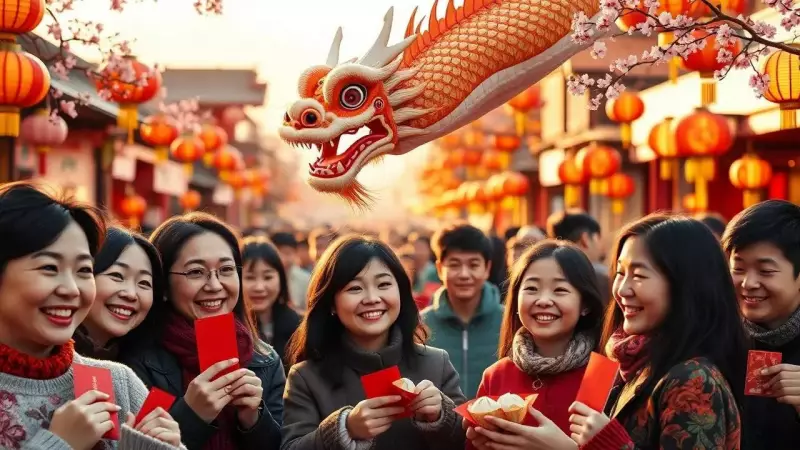
We are approaching the early months of 2026, and you might have noticed a shift in how people talk about spring holidays. Some call it Chinese New Year, while others exclusively use the term Lunar New Year. At first glance, this might seem like a simple preference. However, these terms carry significant cultural differences, especially with the lively Year of the Fire Horse coming up.
Why Knowing the Difference Matters in 2026
If you are planning a party or engaging in social media discussions, getting the terminology right is essential. Global interest in Eastern traditions is peaking, and this fascination is expected to last for decades. Here is a clear explanation of the distinction and why it holds importance in 2026.
The Technical Difference: It's All About the Calendar
To understand the difference, you need to look at the sky. Lunar New Year serves as an umbrella term for various New Year celebrations based on lunar or lunisolar calendars. Western calendars follow the sun, but many Eastern societies mark time by the moon.

Chinese New Year falls under the Lunar New Year category. It specifically refers to celebrations based on the Chinese lunisolar calendar. This event is rich with Chinese traditions, myths like the Nian monster, and the 12-animal zodiac system.
While dates often align across Asia, unique practices such as giving red envelopes and performing Dragon Dances remain distinctly Chinese. The Year of the Fire Horse begins on February 17, 2026. On this date, billions worldwide will celebrate Lunar New Year, but only some observe Chinese New Year.
A Continent of Diverse Celebrations
The term Lunar New Year has gained popularity recently, acknowledging the multiple cultures that celebrate it. Chinese festivities are the most recognized globally, but other countries boast equally ancient and vibrant traditions.
- Seollal in South Korea: Koreans wear traditional hanbok, honor ancestors, enjoy tteokguk soup, and perform charye rituals. Unlike the loud fireworks of Chinese celebrations, this time emphasizes quiet family reflection.
- Tết in Vietnam: Known as Tết Nguyên Đán, this celebration features the Kitchen God ritual and eating bánh chưng cakes. Vietnam also has a slightly different zodiac; for example, they observe the Year of the Cat instead of the Rabbit.
- Losar in Tibet: The Tibetan New Year follows a distinct calendar and involves Buddhist rites that predate regular cultural exchanges.
The Significance of Terminology in 2026
You might wonder why terminology matters so much this year. The Year of the Fire Horse represents a rare astrological event, occurring only every 60 years. It will draw global attention to Eastern cultures.
Using precise terms shows cultural understanding. In international business, marketing, and social media, Lunar New Year is often seen as more inclusive and sophisticated. However, if you are attending a festival in Beijing or a Chinatown parade, Chinese New Year remains perfectly acceptable.
The Fire element of 2026 symbolizes passion and identity. Getting the name right acknowledges people's celebrations and shows respect for their cultural heritage.
The Shared Energy of the Fire Horse
Despite different names like Tết, Seollal, or Chunjie, the 2026 Fire Horse energy unites these celebrations. The zodiac theme of swift change and crossover will illuminate Asian cities, from Seoul's tteokguk to Shanghai's dumplings.
This year marks a significant transition. After the restrictive early 2020s, the world craves the Horse's freedom to roam. Whether you call it LNY or CNY, the festivities on February 17, 2026, will offer a global reboot.
It will be a day to discard the old—through cleaning and banishing bad luck—and welcome the heat and brightness of the Fire element. Understanding these nuances ensures you participate respectfully and knowledgeably in the celebrations.