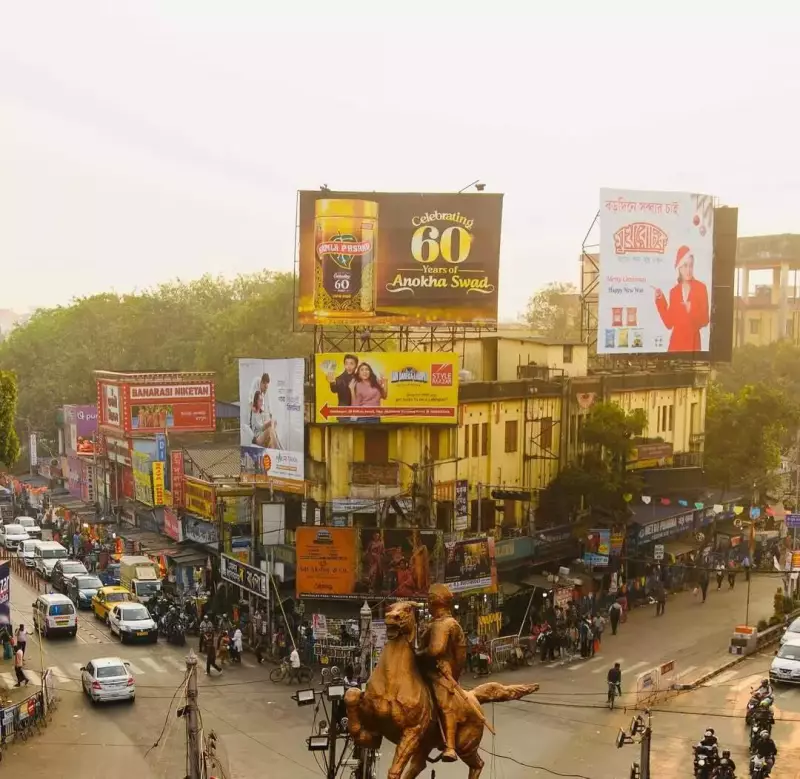
The vibrant streets, bustling riverbanks, and iconic landmarks of Kolkata transformed into a sprawling, open-air museum for ten days this December. The celebrated festival, The City as a Museum, returned for its fifth edition, inviting citizens and visitors to reimagine the urban landscape through a lens of inquiry and artistic performance.
A Festival Unfolding Across the City
Organised by DAG, the annual event unfolded between December 6 and 15. It moved beyond conventional gallery spaces, using the city itself as its canvas. This year's programming was meticulously designed to trace how architecture, migration, labour, and everyday use have collectively sculpted Kolkata's present identity. The festival employed a diverse range of formats, including guided walks, performances, scholarly talks, and site-specific installations.
The 2023 edition placed architectural landmarks at the heart of its exploration. As a fascinating prelude, the festival journeyed to Santiniketan in late November. Participants were granted special access to historic sites like Kala Bhavana, Uttarayan, and the Ashrama complexes, alongside the terracotta temples lining the Ajoy river. This excursion aimed to examine the evolution of a unique modernist architectural language, one deeply influenced by multiple historic styles.

From Nakhoda Masjid to the Hooghly River: Diverse Programmes
Back in Kolkata, the festival activated eight distinct sites, drawing upon rich research from esteemed scholars such as Tapati Guha Thakurta, Aishika Chakraborty, Kaustubh Mani Sengupta, and Saptarshi Sanyal. The programmes offered a sensory and intellectual feast. They ranged from a sensory walk around the majestic Nakhoda Masjid to a reflective exploration of the "politics of waiting" at Sealdah station.
Another highlight was an Esplanade walk that traced the city's rich cinema-viewing culture through its surviving Art Deco theatres. One of the most talked-about events was "By the Bastions," a cruise along the Hooghly river. This session examined how the construction of New Fort William dramatically reshaped the riverfront, viewed specifically from the perspective of migrant and maritime workers. The insightful discussion was poignantly followed by a performance by the Arko Mukherjee Quartet, which creatively linked musical traditions to histories of labour and displacement.
A Moving Installation and Shifting Perspectives
Adding a unique mobile element to the festival was an itinerant pop-up installation housed inside a classic blue-and-yellow Kolkata bus. Curated by Sumantra Mukherjee and Pavel Paul, this bus travelled across the festival sites, functioning as a moving bioscope. Using video, drawings, and posters, it brought to the foreground the ephemeral, everyday histories that are embedded within the city's built environment, stories often overlooked.
Across all its formats—the guided walks, conversations, performances, and mapping exercises—the fifth edition consciously resisted offering singular, fixed narratives. Instead, it strategically placed audiences in shifting vantage points, compelling them to relook at familiar landmarks with fresh eyes. By facilitating this multi-layered engagement, the festival successfully reinforced its core premise: positioning Kolkata itself as a museum—dynamic, richly layered, and continually in the making.