Goa's Chitari Art Embarks on a New Chapter with Public Engagement
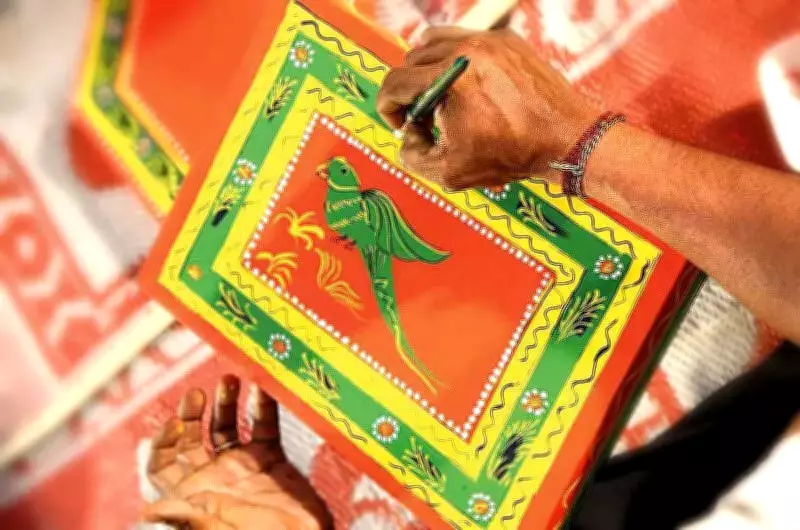
For generations, the vibrant and intricate artistry of Chitari craftsmen has been a cornerstone of Goan cultural celebrations, including Shigmo, Ganesh Chaturthi, and temple zatra events. This legacy has been meticulously upheld by a single family residing in Demani, Cuncolim, now spread across just four households. The distinctive, brightly-colored motifs, such as parakeets, that define the Chitari style have endured through historical challenges, including periods of Portuguese persecution.
Historic Workshops Introduce Chitari Art to the Public
In a groundbreaking move, Chitari artists have initiated efforts to share their expertise with the broader Goan community, aiming to foster a deeper appreciation and understanding of this traditional art form. In November of last year, Vinod Chitari and his elder brother, Nityanand, were encouraged by Natasha Fernandes, curator of the Museum of Christian Art (MoCA) in Old Goa, along with other museum associates, to open their studio to laypersons for the first time. Following two successful workshops at the Chitaris' studio in Cuncolim, another session was recently held at the MoCA premises, allowing more Goans to experience the craft firsthand.
The inspiration for these workshops stemmed from an introduction to Vinod Chitari through a museum volunteer, architect Noah Fernandes. During their initial meeting, Vinod shared the rich history of his community and the traditional practices of Chitari art in Cuncolim. Fernandes explained that as MoCA actively organizes workshops on various artistic techniques, the team recognized the importance of dedicating a masterclass to highlight this unique Goan heritage. She noted that the response to the masterclass has been very positive and encouraging.

Step-by-Step Guidance and Personal Insights from Artisans
During the workshops, Vinod provided participants with detailed, step-by-step instruction on painting a 'paat', a low traditional stool commonly used during Ganesh Chaturthi and other Hindu festivities. He also offered a glimpse into the generational transmission of this age-old craft. Reflecting on his own journey, Vinod recounted, As a 12-year-old, I would sneak into my father's workshop, take a paat, paint some motifs, and mix it with the others so he wouldn't notice. He taught us but disliked us interfering with client orders. It was only at age 17 that I began working independently on pieces.
The workshop at MoCA was conducted in collaboration with the Goa state chapter of INTACH, emphasizing the collective effort to preserve cultural traditions. Vinod elaborated on the materials used, stating, We mix a tree resin with the colors to ensure longevity. Traditionally, wood from forest trees was used, but sourcing original materials has become difficult. Now, we purchase resin at market cost and use jackfruit or mango tree wood, which is more readily available.
Adapting to Modern Times and Future Prospects
Over time, some traditional Chitari items, such as wooden fruits, have seen declining demand as buyers now prefer real fruits for gifts like the 'vhojem' sent to married daughters during Ganesh Chaturthi. This shift has prompted the artists to diversify into more contemporary carving styles and designs, including pieces for home prayer rooms, to sustain their livelihood.
Looking ahead, MoCA is committed to further supporting Chitari artists in raising awareness about their craft. Fernandes stated, Given the encouraging response to the workshops, we plan to continue these masterclasses with Vinod at the museum and other locations across Goa. The museum also aims to assist Vinod and his community by promoting Chitari art and facilitating the sale of both traditional and contemporary Chitari products in the near future.