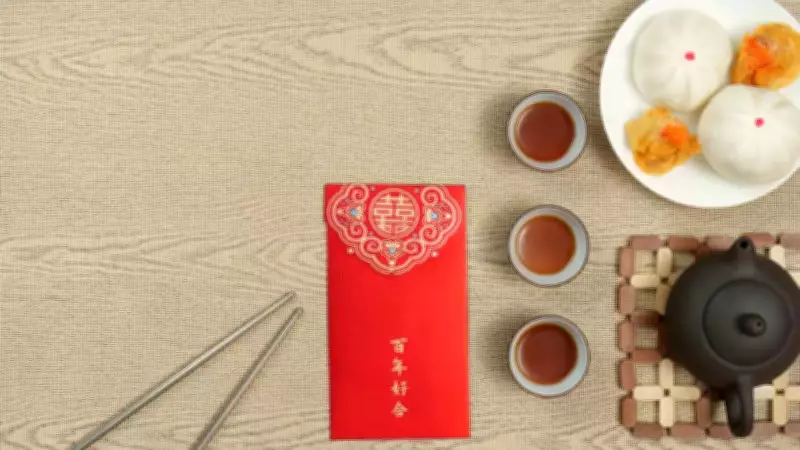
Chinese New Year Foods: Culinary Symbols of Fortune and Family Unity
As Chinese New Year, also widely celebrated as Lunar New Year, approaches, the culinary traditions take center stage in households across the globe. This festive occasion is deeply intertwined with food, which serves not merely as sustenance but as a powerful medium to invoke blessings of good fortune, enduring prosperity, and harmonious family bonds. The symbolism embedded in these dishes is profound, drawing from homophones in Mandarin or Cantonese, visual resemblances to auspicious items like gold bars, and vibrant colors that resonate with cultural values of luck and abundance.
The Connection Between Food and Auspicious Luck
It is a cherished belief within Chinese culture that preparing and consuming specific traditional foods during the New Year celebrations can actively enhance one's luck and fortune for the coming year. Each delicacy is imbued with an auspicious meaning, often cleverly linked to the phonetic sounds of their names or their physical appearance. For instance, many dishes are enjoyed during the grand reunion dinners and festive gatherings, where they symbolize hopes for a prosperous and joyful future. This practice transforms the meal into a ritual of optimism, where every bite carries the weight of cultural heritage and collective aspiration.
Traditional Symbolic Foods and Their Meanings
Among the most iconic dishes are dumplings, known as jiaozi, which bear a striking resemblance to ancient silver ingots, thereby symbolizing wealth and prosperity. Families often enhance this symbolism by hiding coins inside select dumplings, with the lucky finder believed to receive extra fortune. Another staple is whole fish, served with head and tail intact, which represents the concept of surplus and abundance, encapsulated in the phrase "nian nian you yu" meaning "year after year of plenty." Longevity noodles, or chang shou mian, are eaten uncut to signify a long, healthy life and endless blessings, emphasizing continuity and well-being.

Prosperity-Boosting Delicacies for Success
Niangao, or glutinous rice cakes, are a quintessential treat whose name sounds like "year higher" (nian gao), promising career advancement, business success, and rising fortunes. Spring rolls, with their golden, crispy exterior reminiscent of gold bars, are believed to attract financial windfalls and symbolize renewal, as the "spring" in their name heralds new beginnings. Sweet rice balls, called tangyuan or yuanxiao, are round and whole, representing family reunion and harmony, their shape echoing ideals of completeness and unity.
Fruits and Sweets That Bring Good Fortune
In Chinese culture, fruits like oranges, tangerines, and mandarins are highly favored for their golden hue, which denotes good fortune and wealth. When gifted in even numbers, they are thought to "double the happiness," amplifying the joyous sentiments of the season. Pomelos and pineapples further signify abundance and luck, while ingredients such as peanuts and red dates, often tucked inside dumplings, are believed to predict continuous growth and prosperity, adding layers of meaning to every dish.
Regional Variations in New Year Cuisine
The celebration of Chinese New Year showcases delightful regional variations across China. In the southern parts, shrimps are popular for evoking laughter and liveliness, while a whole chicken ensures family completeness and joy. Northern traditions feature Baozi, or steamed buns, which symbolize wealth, and greens like lettuce—whose name "sheng cai" sounds like "growing wealth"—or bok choy, which bring themes of renewal and strong familial ties. These foods, prepared fresh and shared communally, beautifully blend time-honored traditions with an optimistic outlook for the zodiac year ahead, making the feast a cornerstone of cultural identity and hopeful anticipation.