Chinese New Year 2026: A Deep Dive into the Fire Horse Celebrations
Chinese New Year, also known as the Spring Festival or Lunar New Year, stands as one of the most significant and grandly celebrated festivals in China, holding immense religious and cultural importance in Chinese tradition. This vibrant occasion symbolizes a perfect time for ethnic festivities, new beginnings, celebrations, fresh starts, and cherished family get-togethers, marking the commencement of the Lunar New Year with profound spiritual and historical roots.
When is Lunar New Year 2026?
In 2026, Chinese New Year is set to be celebrated on February 17, with great grandeur and enthusiasm across China and beyond. The festival date varies annually because it is entirely based on the Lunar calendar. The festivities kick off on Lunar New Year Day, February 17, 2026, and will culminate on March 3, 2026, with the Lantern Festival, wrapping up weeks of joyous observance.
The Year of the Fire Horse 2026
Each Lunar Year is associated with one of the twelve animals in the Chinese zodiac, and according to Chinese astrology, 2026 is designated as the Year of the Fire Horse. The next Year of the Horse will occur in 2038. In Chinese culture, the Horse year represents a blend of positive traits such as confidence, responsibility, speed, energy, intelligence, and strength, though it can also symbolize impatience, making it a dynamic and powerful period.

History of Chinese New Year
Chinese New Year boasts a rich history dating back approximately 3,000 years. This day traditionally marks the beginning of the spring season and the end of winter, rooted deeply in Chinese mythology and historical narratives. Over centuries, the festival has evolved from its ancient origins into a magnificent global event, preserving its core traditions while adapting to modern times.
How Chinese New Year 2026 is Celebrated?
Chinese New Year holds tremendous religious, spiritual, and cultural importance, offering one of the greatest ways to immerse in Chinese traditions and rituals. Although observed globally, the Lunar New Year is primarily celebrated in Asian nations like China, where communities engage in various festive activities.
Common features of New Year's celebrations include spectacular fireworks displays, which light up the skies. Additionally, people celebrate by:
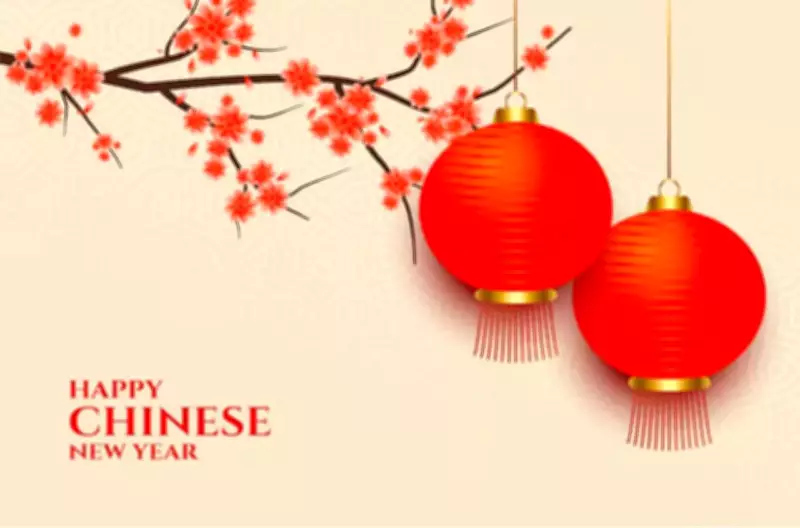
- Incorporating Red Color: Red is the predominant color used in decorations, such as hanging red lanterns, as it is associated with luck and happiness in Chinese culture.
- Cuisine: Families prepare symbolic foods like rice cakes, dumplings, spring rolls, and seafood, which represent prosperity and abundance.
- Family Reunion: This festival is a prime time for family get-togethers, with relatives and loved ones gathering to share meals and joy.
- Hongbao Envelopes: Giving red envelopes filled with cash, known as Hongbao, is a key ritual to express blessings and good wishes to family members and friends.
- Dance of Lions and Dragons: Cultural programs and parades feature spirited dragon and lion dances, believed to bring good fortune and ward off evil spirits, adding to the festive atmosphere.
These traditions collectively create a vibrant tapestry of celebration, reinforcing the festival's role in fostering community bonds and cultural pride.