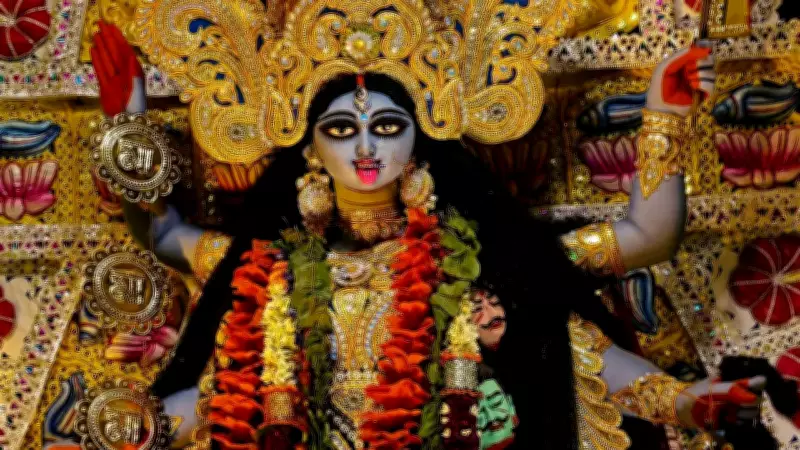
Kolkata's Chinese Kali Temple: A Unique Fusion of Hindu and Chinese Traditions
Nestled in the vibrant Tangra area of Kolkata, often referred to as the city's "Chinatown," stands a remarkable temple that embodies a beautiful story of cultural convergence. This is the Chinese Kali Temple, a sacred space where Hindu traditions and Chinese customs intertwine in a manner unparalleled anywhere else in the world.
The Fascinating Origin Story of the Temple
The history of the Chinese Kali Temple is as captivating as its architecture. Long before the current structure existed, two black stones lay beneath an ancient tree, revered by local Hindus as representations of Goddess Kali. Approximately six decades ago, a pivotal event occurred: a ten-year-old Chinese boy from the neighborhood fell gravely ill. Despite numerous medical consultations, his condition showed no improvement. In a desperate act of hope, his parents placed him under the tree and prayed fervently to the stones for several nights. Miraculously, the boy made a full recovery, sparking a profound faith within the Chinese community. Inspired by this divine intervention, they collaborated with their Bengali neighbors to construct a temple, which was later renovated into the granite edifice visible today.
Unique Culinary Offerings: A Blend of Flavors and Devotion
What truly sets the Chinese Kali Temple apart is not merely its history but the distinctive food served to the deity and devotees. Unlike typical Kali temples where prasad might include sweets like sandesh or fruits, here the "Bhog"—the food offering—features noodles, chop suey, and fried rice. On special occasions, visitors might even witness vegetable momos or stir-fried dishes being presented. After the puja concludes, these culinary delights are distributed to all attendees, symbolizing a blessing that merges the local Chinese community's culinary heritage with their deep devotion to the Hindu goddess.

A Sensory Experience of Cultural Harmony
The Chinese Kali Temple offers a multisensory experience that reflects its dual heritage. Visually, the goddess is adorned with traditional red hibiscus garlands, yet the atmosphere is permeated with the distinct aroma of long Chinese incense sticks burned during prayers. One of the most unique sights is the burning of handmade paper, a custom common in Chinese tradition to ward off evil spirits, rarely seen in Hindu temples. Even the aarti ritual serves as a bridge between two worlds, with a Bengali priest conducting the ceremonies while Chinese devotees bow their heads in solemn prayer.
More Than a Place of Worship: A Symbol of Unity
The Chinese Kali Temple transcends its role as a mere place of worship; it stands as a powerful symbol of how faith can unite people across cultural and linguistic divides. It demonstrates that kindness and gratitude are universal values, fostering a sense of community among diverse backgrounds. This temple is a testament to the enduring power of shared beliefs, where individuals from different cultures come together to honor Goddess Kali in a spirit of mutual respect and harmony.