The Enduring Legacy of Charles Dickens: Master Storyteller and Social Conscience
Charles Dickens remains one of the most celebrated figures in English literature, renowned for his unparalleled narrative craftsmanship and profound commitment to social justice. Born in 1812 in England, Dickens endured a challenging childhood marked by hardship and financial instability. These early experiences forged his deep empathy for society's most vulnerable members, shaping the thematic core of his literary output for decades to come.
From Personal Struggle to Literary Triumph
Through remarkable determination and extraordinary storytelling ability, Dickens transformed his personal adversities into literary masterpieces that blended stark realism with profound emotional depth. His writing consistently exposed the brutal realities of Victorian society, including systemic social inequality, rampant child labor exploitation, and the deplorable living conditions endured by the working class. Dickens possessed the unique ability to create characters who felt authentically human—individuals who struggled, evolved, and ultimately sought redemption or justice within complex social structures.
Literature as a Catalyst for Social Change
Dickens's literary approach transcended mere entertainment. He deliberately used fiction as a reflective mirror to society, crafting narratives that encouraged reader empathy and sparked crucial conversations about necessary social reforms and fundamental human dignity. His stories were frequently published in serialized form, allowing readers to develop sustained relationships with characters over time and creating unprecedented public engagement with social issues.

This innovative publishing strategy, combined with his compelling storytelling, enabled Dickens to reach mass audiences while maintaining literary sophistication. His works became cultural touchstones that not only entertained but educated and mobilized public opinion toward progressive change.
The Philosophy of Hope and Resilience
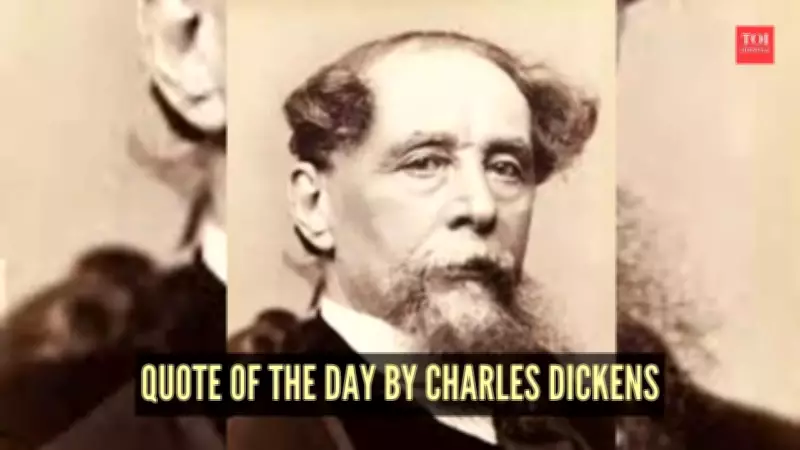
One particularly resonant quote attributed to Dickens captures the essence of his worldview: “It’s always something, to know you’ve done the most you could. But don’t leave off hoping, or it’s of no use doing anything. Hope, hope to the last.” This statement reveals two fundamental pillars of Dickensian philosophy: the importance of earnest effort and the indispensable nature of hope.
The first portion emphasizes finding peace in knowing one has exerted maximum effort, regardless of uncertain outcomes. It acknowledges human limitations while celebrating the dignity inherent in commitment, honesty, and integrity. The second section delivers a powerful message about hope's transformative power—without it, even the most diligent effort becomes meaningless routine.
For Dickens, hope represented more than simple optimism; it was a vital virtue that empowered individuals to persist in goodness despite disappointment and adversity. Together, these concepts form a robust philosophy of resilience that transforms struggle into meaning and failure into growth opportunities.
Timeless Relevance in Modern Society
Dickens's enduring relevance stems from his profound understanding of the human spirit. His works continue to resonate with contemporary readers because they explore timeless emotional truths—compassion, resilience, moral courage, and the persistent capacity for hope amid adversity. In today's world, characterized by increasing uncertainty and complexity, Dickens's message about doing one's best while maintaining hope remains a powerful source of inspiration and guidance.
His literary legacy demonstrates that when individuals commit fully to ethical principles and refuse to abandon hope, they preserve their dignity, courage, and sense of purpose. Dickens redefined hope as an empowering force rather than mere comfort, creating literature that continues to challenge, comfort, and inspire generations of readers worldwide.