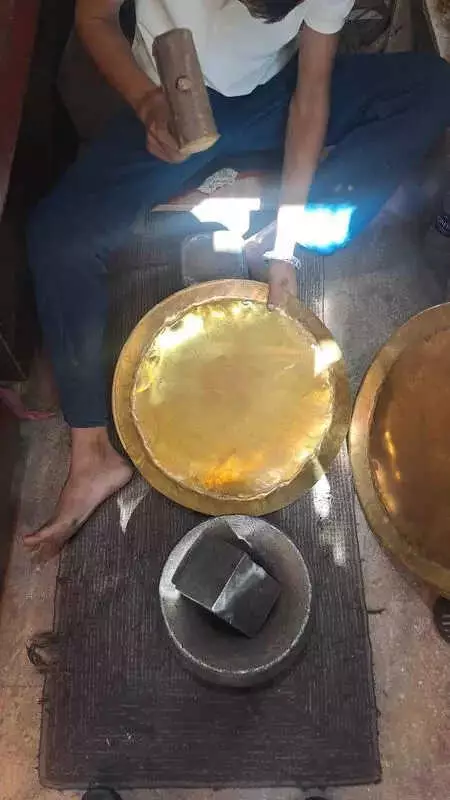
In a significant shift for a centuries-old tradition, women in Himachal Pradesh's Chamba district are stepping into the spotlight as master artisans. They are learning the intricate art of carving the iconic Chamba Thal, a move that challenges gender norms and aims to empower them economically while boosting the region's cultural heritage.
Breaking Tradition: From Homemakers to Artisans
For generations, the skilled craft of metal carving on the Chamba Thal was confined to a handful of male artisans from select families. This is now changing rapidly. For the first time, 30 women from across the district are undergoing intensive training to master this delicate art form. One such pioneer is Reena Bretta from Bretta village, a mother of two who travels 25 kilometers daily to Chamba for her lessons.
"Initially, I believed the technique was too difficult," Reena shares, reflecting a common apprehension. "But now I understand it's like learning any other skill." Her primary motivations are clear: to gain financial independence and earn recognition through her work. This sentiment echoes among the other trainees, who see this as a path to self-reliance and setting a powerful example for future generations.

Administrative Push and Economic Vision
The district administration is actively facilitating this transformative journey. Deputy Commissioner Mukesh Repaswal emphasizes the Thal's significance as a nationally recognized symbol of Chamba, often presented as a souvenir at major events and showcased in fairs across India. To ensure the women's success, the administration has pledged multi-faceted support.
District Development Officer Tawnier Chinoria outlined the concrete plans: a 45-day training program, provision of essential tool kits, and assistance in securing business loans. Furthermore, to create direct market access, a sales outlet is planned at the popular tourist hotspot of Dalhousie. This will allow the artisans to display and sell their creations directly to visitors, fostering a sustainable business model.
The GI Tag: A Future Game-Changer
Adding substantial weight to these efforts is the ongoing process to secure a Geographical Indication (GI) tag for Chamba's metal crafts, including the Thal. Professor Shivani Abrol of Government Degree College, Chamba, an expert who has published research on the GI status of local products like the Chamba Rumal and Chamba Chukh, confirmed the move.
"Once the GI tag is granted, it will significantly elevate the Thal's prestige and market value," Prof. Abrol stated. This legal recognition is expected to play a pivotal role in empowering the new women artisans, protecting their art, and ensuring better economic returns by authenticating its origin and traditional methods.
Beyond Craft: Redefining Chamba's Identity
This initiative transcends individual empowerment. It is strategically linked to the district's broader goal of shedding its "aspirational district" classification—a tag denoting areas requiring accelerated development. By creating a new, skilled workforce and promoting a unique handicraft, Chamba is building a stronger, self-sustaining economic identity.
The entry of women into this field is not just about preserving art; it's about reinventing it. It promises to diversify the designs, infuse new narratives, and ensure the survival of the Chamba Thal tradition by passing it to a wider, more dedicated group of custodians. Their journey from trainees to entrepreneurs marks a new chapter for Chamba's cultural and economic landscape.