Chaitra Navratri Day 7: Honoring Maa Kalaratri with Devotion
As Chaitra Navratri progresses, the seventh day is dedicated to Maa Kalaratri, the fierce and powerful form of Goddess Durga. This day, falling on March 25, 2026, holds immense spiritual importance for devotees across India and beyond. Maa Kalaratri is revered as the destroyer of darkness and ignorance, symbolizing the triumph of light over evil. Her worship is believed to bestow courage, protection, and inner strength, making it a pivotal moment in the nine-day festival.
Significance of Maa Kalaratri in Navratri
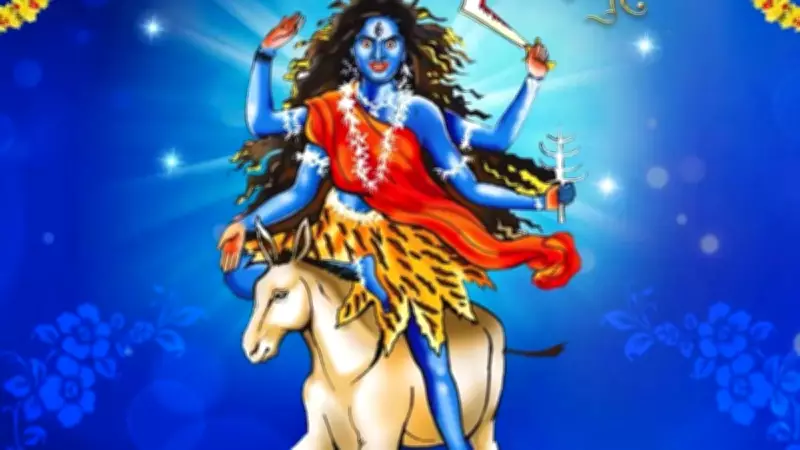
Maa Kalaratri, whose name translates to "the black night," represents the raw, untamed energy of the divine feminine. She is depicted with a dark complexion, disheveled hair, and a fearsome appearance, often riding a donkey and wielding weapons. This form signifies the annihilation of negative forces and the purification of the soul. Devotees believe that worshipping her helps overcome fears, obstacles, and adversities in life. In the context of Chaitra Navratri, which marks the onset of spring and new beginnings, her puja aligns with themes of renewal and spiritual awakening.
Puja Vidhi for Maa Kalaratri
Performing the puja with sincerity and adherence to rituals is crucial for invoking Maa Kalaratri's blessings. Here is a step-by-step guide to the puja vidhi:

- Preparation: Begin by cleaning the puja area and taking a bath to purify yourself. Set up an altar with an idol or image of Maa Kalaratri, preferably facing north or east.
- Offerings: Place fresh flowers, especially red or blue ones, along with fruits, sweets, and incense. Light a ghee lamp to symbolize the dispelling of darkness.
- Invocation: Chant the Kalaratri mantra to invite the goddess's presence. Recite it 108 times for maximum benefit, using a rosary if available.
- Prayers: Offer heartfelt prayers, seeking protection, courage, and the removal of obstacles. You can also read from sacred texts like the Durga Saptashati.
- Aarti: Conclude with the aarti of Maa Kalaratri, singing devotional songs and circling the lamp around the deity.
It is recommended to observe a fast on this day, consuming only sattvic foods like fruits and milk, to enhance spiritual focus. Many devotees also wear black or dark-colored clothes as a tribute to Maa Kalaratri's form.
Powerful Mantras for Maa Kalaratri
Chanting mantras is a core aspect of the puja, believed to connect devotees directly with the goddess's energy. The primary mantra for Maa Kalaratri is:
"Om Devi Kalaratryai Namah"
This simple yet potent mantra can be repeated throughout the day. For deeper spiritual practice, consider the following extended mantra:
"Ya Devi Sarvabhuteshu Maa Kalaratri Rupena Samsthita, Namastasyai Namastasyai Namastasyai Namo Namah"
Regular recitation of these mantras is said to grant fearlessness, ward off evil, and promote mental clarity. Devotees often incorporate them into their daily meditation routines during Navratri.
Cultural and Spiritual Impact
The worship of Maa Kalaratri extends beyond individual rituals, influencing community celebrations and cultural practices. In many regions, temples organize special events, including bhajans and processions, to honor her. This day also emphasizes the importance of confronting inner demons and embracing transformation, resonating with the broader themes of Navratri. As part of the Chaitra festival, it encourages devotees to reflect on personal growth and societal harmony.
In summary, the seventh day of Chaitra Navratri is a profound opportunity to connect with Maa Kalaratri's divine power. By following the puja vidhi, chanting mantras, and understanding her significance, devotees can harness spiritual energy for a brighter, more courageous life. This observance not only enriches personal faith but also strengthens the cultural fabric of Hindu traditions.