Candace Owens' Unexpected Catholic Conversion Captivates Public in 2024
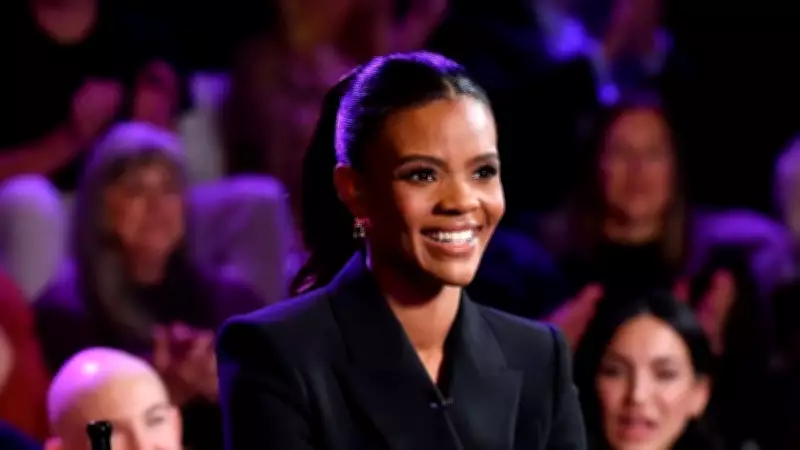
When conservative commentator Candace Owens announced in 2024 that she had embraced Catholicism, the news spread with remarkable organic velocity. There was no orchestrated press tour, no dramatic public unveiling—just a brief, sincere message hinting at a profound personal journey. This understated approach itself became noteworthy, particularly for audiences accustomed to Owens' typically combative and partisan public statements.
The Timing and Context of a Personal Transformation
Owens' announcement arrived after years of challenging dominant narratives across multiple fronts, often at significant personal and professional cost. By the time she spoke about her faith transition, many observers sensed something deeper than political positioning was at work. Her decision didn't appear as a branding exercise or career maneuver, but rather as a genuine conclusion reached after considerable reflection.
In a digital landscape saturated with noise and performative outrage, the calmness and certainty of Owens' announcement became part of its compelling narrative. She shared her decision on social media with words that revealed both conviction and patience: "Recently, I made the decision to go home. There is of course so much more that went into this decision and that I plan to share in the future. But for now, praise be to God for His gentle, but relentless guiding of my heart toward Truth."

Continuity in a Career of Moral Questioning
Owens' conversion followed years of public stances that frequently placed her at odds with powerful institutions and even some conservative allies. She challenged early COVID-19 policies, opposed vaccine mandates, and broke ranks on issues ranging from pharmaceutical industry practices to foreign policy approaches. Each position narrowed her political alliances, yet she maintained consistency in one crucial aspect: she consistently framed her arguments as moral questions rather than tactical political maneuvers.
This pattern of moral questioning now appears central to understanding her turn toward Catholicism. The choice stood out precisely because it offered no obvious career advantage—a softer path of silence or continued alignment with political factions was readily available. Instead, Owens aligned herself with an institution facing its own significant crises and contradictions, suggesting continuity of character rather than reinvention.
Broader Implications for Public Faith and Conviction
In 2024, public religious conversions often draw immediate suspicion and cynical interpretation. Owens' announcement had the opposite effect for many observers, reopening important discussions about the role of genuine belief in public life and whether authentic conviction can still exist without calculation in contemporary discourse.
Whether admired or disputed, Owens' decision marked a clear inflection point in her personal timeline. It wasn't framed as an endpoint or conclusion, but rather as "coming home"—a phrase that resonated with supporters and critics alike for its suggestion of surrender and belonging rather than conquest or positioning.
The contrast between Owens' typically antagonistic public persona and the thoughtful, reserved nature of her faith announcement created a compelling narrative that transcended typical political divisions. Her journey highlighted how personal spiritual exploration can intersect with public identity in unexpected ways, particularly for figures operating in highly polarized environments.