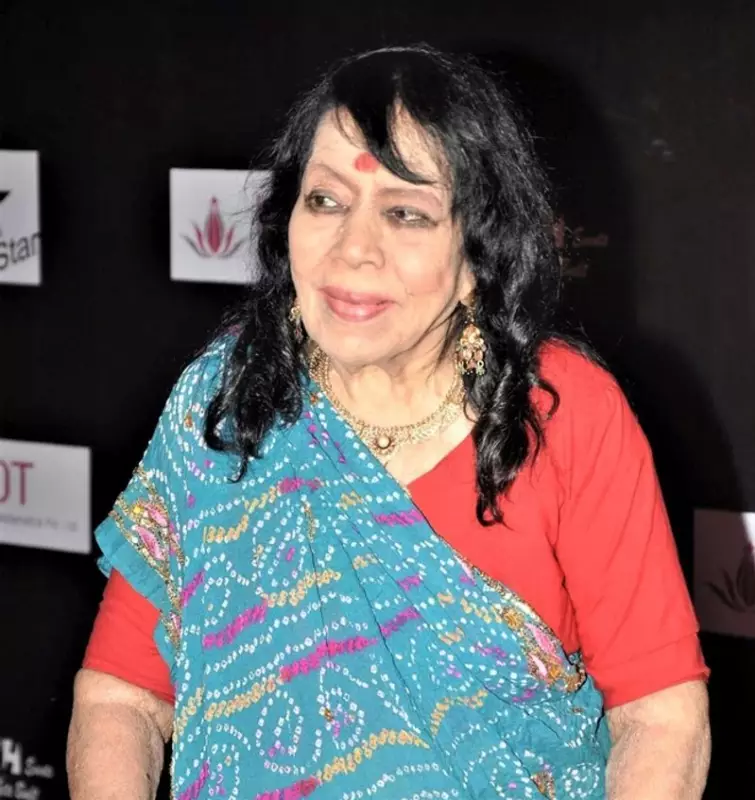
The world of Indian classical dance lost one of its brightest stars when Pandit Birju Maharaj passed away on January 17, 2022, but his legacy continues to illuminate the Kathak dance form he so masterfully represented. As the leading exponent of the Lucknow Kalka-Bindadin gharana, Maharaj ji didn't just perform Kathak - he lived and breathed it, becoming synonymous with the dance form itself.
The Prodigy Who Carried Forward a Rich Legacy
Born Brij Mohan Nath Mishra on February 4, 1938, Birju Maharaj was destined for greatness in the world of Kathak. He hailed from an extraordinary lineage of Kathak masters, being the son of Jagannath Maharaj and grandson of Kalka Prasad, both legendary figures in the Lucknow gharana. Tragically, he lost his father when he was just nine years old, but this early hardship only strengthened his resolve to master the art form.
His training began under the watchful eyes of his uncles, Shambhu Maharaj and Lachhu Maharaj, who recognized the young prodigy's exceptional talent. By the remarkably young age of thirteen, Birju Maharaj had begun teaching at the Bharatiya Kala Kendra in Delhi, marking the beginning of an illustrious teaching career that would span over seven decades.

Revolutionizing Kathak Performance and Pedagogy
Pandit Birju Maharaj's contributions to Kathak were both profound and multifaceted. He didn't merely preserve the traditions he inherited; he enriched them with his creative genius. One of his most significant institutional contributions was establishing Kalashram in Delhi in 1998, which became a premier institution for Kathak education, attracting students from across India and the world.
What set Maharaj ji apart was his ability to innovate within tradition. He introduced numerous new compositions that expanded Kathak's expressive range while remaining rooted in its classical foundations. His mastery extended beyond dance to encompass tabla, pakhawaj, vocal music, and poetry, making him a complete artist in every sense. He composed numerous thumris, bhajans, and ghazals specifically for Kathak performances, enriching the dance form's musical repertoire.
National Recognition and Global Impact
The Indian government recognized Birju Maharaj's extraordinary contributions with the Padma Vibhushan in 1986, India's second-highest civilian award. This came after he had received the Padma Shri in 1970 and Sangeet Natak Akademi Award in 1964, making him one of the most decorated artists in Indian history.
Beyond classical performances, Maharaj ji made significant contributions to Indian cinema. He choreographed for notable films including Devdas (2002), Dedh Ishqiya (2014), and Vishwaroopam (2013). His work in Satyajit Ray's Shatranj Ke Khilari (1977) demonstrated his ability to adapt classical dance for cinematic storytelling.
Perhaps his most enduring legacy lies in the thousands of students he trained, many of whom have become established Kathak dancers and teachers themselves. Through his disciples, his unique style and approach to Kathak continue to flourish worldwide, ensuring that the Kalka-Bindadin gharana remains vibrant and relevant.
Even after his passing at the age of 83, Pandit Birju Maharaj's spirit continues to dance through the countless artists he inspired. His life stands as a testament to the power of artistic dedication and the timeless beauty of India's cultural heritage. The Kathak star that was Birju Maharaj may have set, but its light continues to guide new generations of dancers on their artistic journeys.