Bihar's Tilkut Artisans Bring Winter Warmth to Kolkata
Every winter, a special migration happens from Bihar to Kolkata. Artisans travel over 500 kilometers to bring the taste of home to the City of Joy. They come to prepare tilkut, the traditional winter delicacy made from sesame and jaggery. This sweet treat is essential for Makar Sankranti celebrations on January 14th.
Seasonal Journey for Traditional Craft
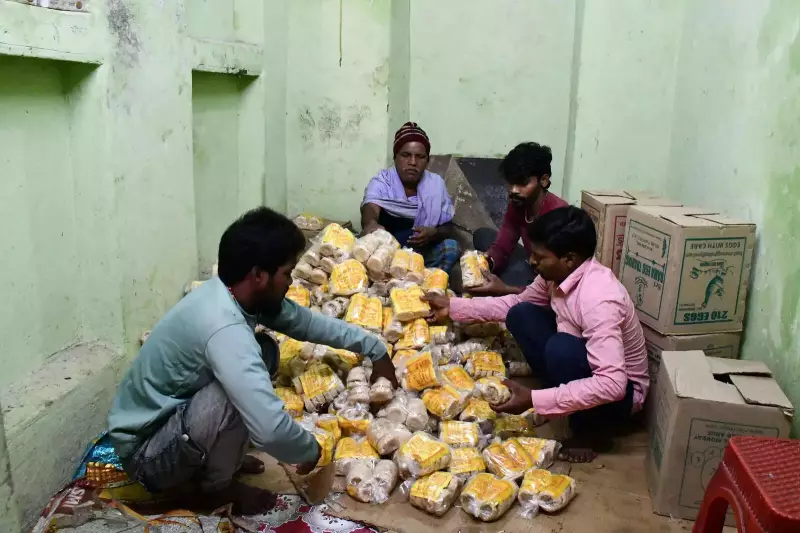
Sixteen tilkut makers from Jehanabad and Patna districts arrived in Kolkata on December 1st. They will stay until January 13th or 14th before returning home for the festival. Vijay Yadav from Jehanabad leads this group. He explained their annual routine. "We have been coming to Kolkata for fifteen years now," Yadav said. "We usually leave home on November 30th and stay until just before Makar Sankranti."
The group charges sixteen lakh rupees for their seasonal work. Individual earnings range from ten thousand to one lakh rupees based on skill level. Their lodging and food are provided by the local manufacturer who hires them.

Young Learner and Seasonal Workers
Among the artisans is fifteen-year-old Mukesh from Patna's Bihta area. He joined his elder brother for the first time this year. The Class VIII student helps with packaging work during his winter break. Mukesh dreams of becoming a police officer when he grows up. Meanwhile, he uses this opportunity to learn traditional tilkut-making skills and explore Kolkata.
"The ten thousand rupees I earn from packaging will help my family," said Mukesh. His father works as a daily-wage laborer.
Chunnu Kumar from Jehanabad earns forty thousand rupees from his month's work. After returning home for Makar Sankranti, he plans a ten-day break. Then he will travel to Tamil Nadu where he works at a textile unit for the rest of the year.
Manufacturer's Story of Growth
Vinod Kumar Gupta runs the production unit in Notun Bazar that brings these artisans from Bihar. He started his business in 2007 with just five thousand rupees borrowed from his father. Gupta traveled to Bihar and brought back five workers, paying them a two thousand rupee advance.
"I wanted to give the Bihari diaspora in Kolkata the authentic taste they long for," Gupta explained. His business has expanded significantly since those early days. Now he brings fifty workers from Bihar, Uttar Pradesh, and Madhya Pradesh. They produce not only tilkut but also different varieties of gajak and chiki.
Gupta's son Aditya shared details about their production. They prepare twenty-two to twenty-five tonnes of tilkut in both sugar and jaggery varieties. Prices range from 160 to 200 rupees per kilogram. Their products reach customers across West Bengal, Assam, Telangana, and Goa.
Market Demand and Retail Response
On a recent Friday afternoon, retailer Manoj Kumar Yadav waited outside Gupta's workshop. He planned to buy twenty thousand rupees worth of tilkut for his shop in Howrah. "I come to Notun Bazar for authenticity," Yadav explained. "These tilkuts are prepared fresh in Kolkata by makers from Bihar."
Kundan Poddar runs a makeshift tilkut stall at Janbazar. He highlighted the economic advantage of locally made products. "The price is better compared to readymade tilkut brought directly from Bihar," Poddar said. "Transportation costs add up, and these sweets are fragile with risk of breakage during transit."
Manoj Yadav earns a twenty percent profit by buying freshly made tilkut from Notun Bazar. Several manufacturers in Barabazar also bring tilkut makers from Bihar to meet the huge demand in Kolkata.
Nostalgia for the Diaspora
Kolkata's markets buzz with makeshift shops selling tilkut, chura, jaggery, and other traditional sweets. From Janbazar in the north to Jagubazar in the south, these stalls evoke powerful memories for the Bihari community.
Bunni Tiwari, sixty-nine, was buying Sankranti essentials at Janbazar. She came to Kolkata from Bihar fifty years ago after marriage. "Tilkut used to be prepared at home," Tiwari recalled. "We distributed them among relatives on Makar Sankranti. That taste was something special."

While shop-bought tilkut cannot match homemade versions, Tiwari appreciates the availability. "Back then, there weren't many shops selling tilkut in Kolkata," she said. "Sometimes we brought it from Bihar. Now, so many shops give us the feel of home."
Sarita Sharma from Hajipur has lived in Kolkata for forty-five years. She expressed similar sentiments. "Nothing tastes like homemade delicacies," Sharma acknowledged. "But here we get the next-best tilkuts since makers from Bihar prepare them fresh in Kolkata."
Poddar, himself a native of Vaishali district, noted changing consumption patterns. "Bihar natives buy tilkut in huge quantities," he observed. "But over the years, I've seen local Bengali residents also enjoying this delicacy."
For the diaspora, these temporary shops and the aroma of chura and gur evoke powerful memories of home. The annual arrival of Bihar's tilkut makers creates a tangible connection to their cultural roots during the winter festival season.