Nitish Kumar's Son Nishant Set to Join JD(U) on March 8
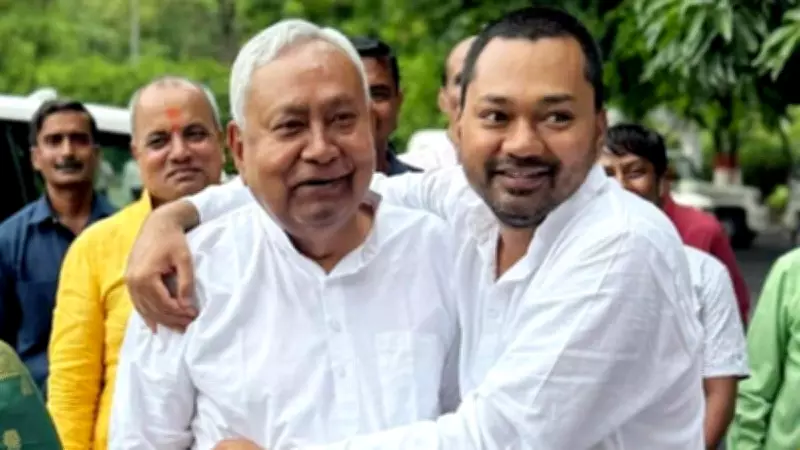
In a significant development in Bihar's political landscape, Nishant Kumar, the son of Chief Minister Nitish Kumar, is expected to formally join the Janata Dal (United) party on March 8. This move marks a notable entry into active politics for the younger Kumar, potentially shaping the future dynamics of the state's ruling party.
Details of the Political Entry
The announcement has generated considerable buzz in political circles, with sources indicating that Nishant Kumar will likely take the membership of the JD(U) at a party event scheduled for early March. This step is seen as a strategic move by Nitish Kumar to bolster the party's leadership and ensure continuity within its ranks.
Nishant Kumar, who has largely stayed away from the public political arena until now, is reportedly preparing to take on a more active role. His entry is anticipated to bring a fresh perspective to the JD(U), which has been a key player in Bihar's coalition governments for years.
Implications for Bihar Politics
The induction of Nitish Kumar's son into the JD(U) could have far-reaching implications for the state's political environment. Analysts suggest that this move might be aimed at strengthening the party's grassroots appeal and preparing for future electoral challenges. It also signals a potential succession plan within the party, although official statements have not confirmed such intentions.
Bihar, known for its volatile political climate, often sees such familial entries as a way to consolidate power and maintain influence. Nishant Kumar's joining could energize the JD(U)'s cadre and attract younger voters, given his relatively low public profile and the curiosity surrounding his political stance.
Reactions and Expectations
While the JD(U) has not issued an official statement, party insiders express optimism about Nishant Kumar's inclusion. They believe his association with the Chief Minister could enhance the party's credibility and outreach. However, opposition parties might view this as a dynastic move, common in Indian politics, and could use it to critique the JD(U)'s governance model.
The event on March 8 is expected to be a closely watched affair, with media and political observers keen to see how Nishant Kumar positions himself within the party. His speech and initial activities post-joining will likely set the tone for his political career and influence the JD(U)'s strategy in upcoming state and national elections.
In summary, Nishant Kumar's anticipated entry into the JD(U) on March 8 represents a pivotal moment in Bihar politics, potentially reshaping party dynamics and offering new leadership prospects. As the date approaches, all eyes will be on this development to gauge its impact on the state's future political trajectory.