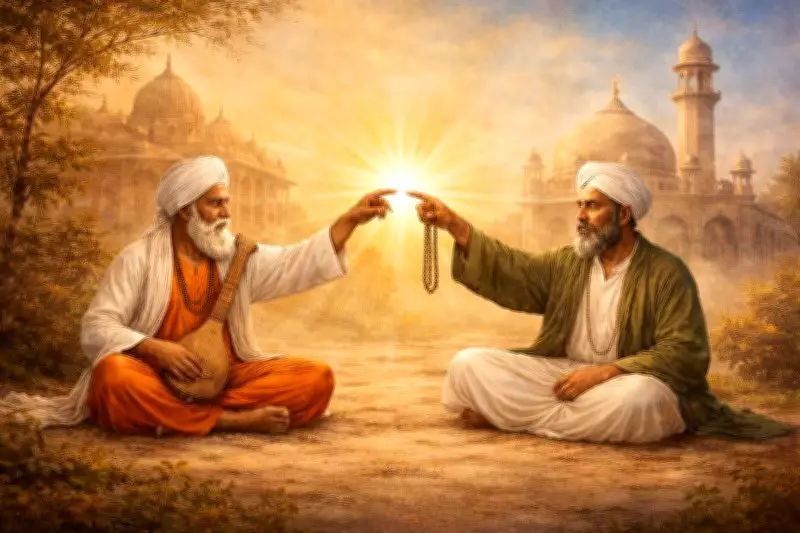
Bhakti and Sufi Movements: The Foundations of Syncretic Culture and Social Harmony in Medieval India
Medieval India experienced profound socio-religious transformations through the powerful currents of the Bhakti and Sufi movements. During an era characterized by rigid caste hierarchies, religious exclusivism, and significant political flux, these devotional traditions emerged as beacons advocating for love, devotion, and human equality. Their historical significance extends far beyond mere spiritual reform, as they played a crucial role in fostering a syncretic culture—a unique blending of diverse religious and cultural traditions that actively promoted social harmony across the subcontinent.
The Historical Context and Emergence of Reform Movements
In the medieval period, Indian society was deeply stratified by the caste system, which enforced social divisions and limited mobility for vast segments of the population. Concurrently, religious orthodoxy often created barriers between different communities, leading to tensions and exclusivism. It was within this challenging environment that the Bhakti movement, originating around the 7th century and gaining momentum from the 12th to 17th centuries, and the Sufi movement, which spread across India from the 11th century onward, began to take root. These movements did not arise in isolation but as responses to the societal needs for greater inclusivity and spiritual accessibility.
Core Principles and Philosophical Contributions
The Bhakti movement, with saints like Kabir, Mirabai, and Guru Nanak, emphasized personal devotion to a supreme deity as a path to salvation, often bypassing ritualistic practices and priestly intermediaries. Similarly, the Sufi mystics, including figures such as Nizamuddin Auliya and Moinuddin Chishti, focused on inner spirituality and direct communion with the divine, promoting values of love, compassion, and service to humanity. Both movements shared several key principles that challenged the status quo:

- Rejection of Social Hierarchies: They openly criticized the caste system and advocated for the equality of all human beings, regardless of birth or social status.
- Emphasis on Inclusivity: By welcoming followers from diverse backgrounds, they broke down religious and social barriers, fostering a sense of unity.
- Promotion of Vernacular Languages: Saints and mystics composed poetry and teachings in local languages, making spiritual ideas accessible to the common people and enriching regional cultures.
Fostering Syncretic Culture and Social Harmony
The most enduring legacy of the Bhakti and Sufi movements lies in their role as catalysts for a syncretic culture in medieval India. This cultural synthesis was not merely a blending of Hindu and Islamic traditions but a broader integration of various regional and folk practices, leading to:
- Artistic and Literary Flourishing: The movements inspired a rich tradition of devotional music, poetry, and architecture that reflected hybrid influences, such as the Qawwali music in Sufism and the Bhajans in Bhakti.
- Social Cohesion: By emphasizing shared human values over doctrinal differences, they helped reduce communal tensions and promoted peaceful coexistence among diverse groups.
- Challenges to Orthodoxy: Their teachings often questioned established religious authorities and rituals, encouraging a more personal and experiential approach to spirituality that resonated across societal divides.
Contemporary Relevance and Lessons for the 21st Century
In the 21st century, the lessons from the Bhakti and Sufi movements remain strikingly relevant. As societies worldwide grapple with issues of polarization, intolerance, and identity conflicts, these historical movements offer timeless insights into building unity and coexistence. Their emphasis on love, compassion, and equality provides a framework for addressing modern challenges, reminding us that social harmony can be achieved through inclusive cultural practices and a focus on common humanity. By studying these movements, we gain valuable perspectives on how devotional traditions can reshape societies and inspire future generations toward greater harmony.