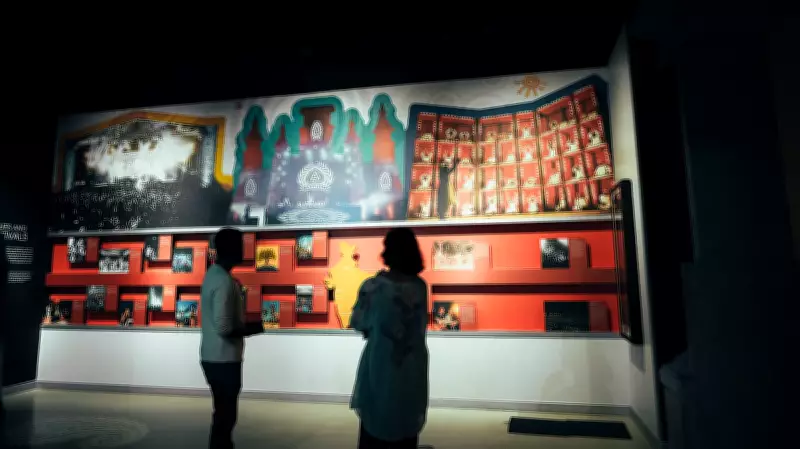
Bengaluru's private museums are carving a niche for themselves, overcoming financial constraints and low visitor numbers through innovative curation and community outreach. Unlike government-funded institutions, these museums rely on passion, creativity, and digital tools to stay afloat.
Challenges and Resilience
Private museums in Bengaluru face steep challenges, including high operational costs, limited space, and competition from free public museums. Yet, many have found ways to attract audiences by focusing on niche themes. For instance, the Indian Music Experience Museum in JP Nagar offers interactive exhibits that blend technology with tradition, drawing school groups and music enthusiasts. Similarly, the Museum of Art & Photography (MAP) in Kasturba Road uses rotating exhibitions and workshops to keep visitors engaged.
Community Engagement as a Lifeline
These museums have turned to their local communities for support. The Visvesvaraya Industrial and Technological Museum, though not private, sets a precedent by collaborating with schools and colleges. Private museums like the Bangalore International Centre's art gallery host talks, film screenings, and cultural events, creating a loyal visitor base. The Heritage Centre at the Indian Institute of Science also runs guided tours and heritage walks, connecting history with the public.

Digital Innovation
Embracing digital platforms has been a game-changer. Many museums now offer virtual tours, online exhibits, and social media campaigns to reach wider audiences. The Sandesh Museum, dedicated to the history of communication, uses QR codes and augmented reality to enhance visitor experience. This digital pivot not only reduces costs but also attracts tech-savvy youth.
Funding and Sustainability
Funding remains a persistent issue. While some museums rely on entry fees and merchandise sales, others seek grants and corporate sponsorships. The Museum of Goa, for example, has successfully crowdfunded for specific projects. In Bengaluru, the Karnataka Chitrakala Parishath sustains through art sales and studio rentals. Despite financial hurdles, the passion of founders and curators keeps these institutions alive.
In conclusion, Bengaluru's private museums are beating the odds by being adaptable, community-focused, and digitally savvy. They offer unique glimpses into art, history, and culture that complement larger public museums, and their resilience is a testament to the city's vibrant cultural landscape.