In the heart of Bihar, a quiet revolution is taking place on small stages and in intimate cafes. For every burst of laughter and moment of applause at an open mic event in Patna, there lies a vast, unseen landscape of effort, personal investment, and sheer determination. The city's burgeoning live performance scene is being painstakingly built by a handful of dedicated organisers—native Patnaites who returned home after experiencing the thriving creative circuits of metros like Delhi, Bengaluru, and Mumbai, only to find a vacuum waiting to be filled.
The Architects of Patna's Creative Pulse
Rather than waiting for a ready-made ecosystem, these individuals decided to construct it themselves. They brought back professional rigour and structure from metropolitan formats, applying them to the local context. Their role is multifaceted and often thankless: from scouting and securing venues, fixing dates, and designing promotional posters to managing ticket sales and occasionally coordinating with brands for partnerships.
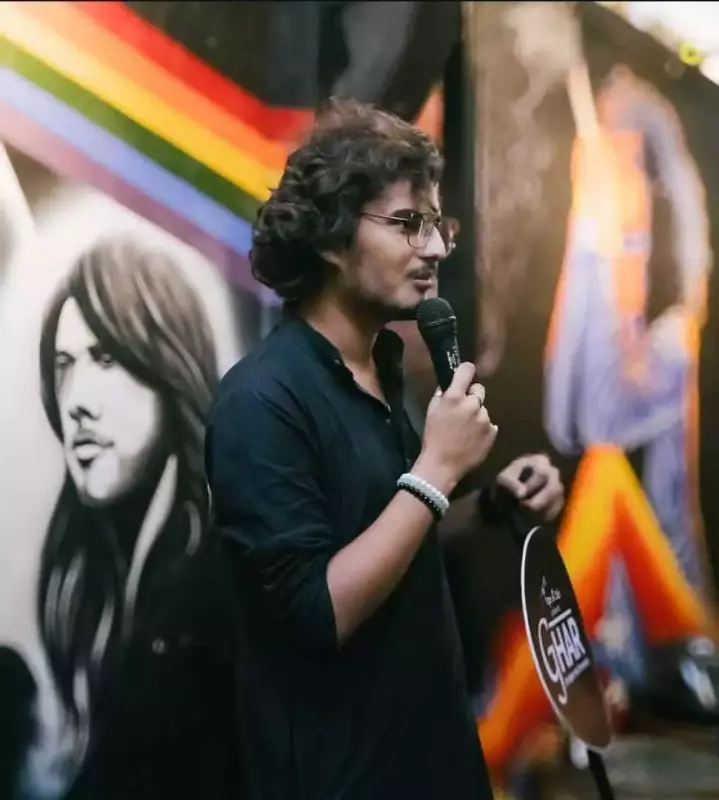
Seher, who has been organising events for platforms like Tape A Tale's 'Ghar' and Kommune since 2024, follows a meticulous process honed by experience. His own journey as a performer began at a Mumbai open mic in 2021, followed by stages in Bengaluru. This exposure gave him a clear blueprint for audience-building back in Patna. "While social media is the primary platform for announcements, it's not just about paid Instagram boosts," Seher explains. "It involves curating an audience cap of 20–25 people to maintain intimacy, even when the ticket revenue doesn't cover the basic costs."

Navigating Infrastructure Hurdles and Social Skepticism
A fundamental challenge is the lack of suitable venues. Humraaz, who performs as Raj Aryan and started organising Awaken Words and Live Stories in November last year, highlights the scarcity of technically equipped spaces. "Performers need basic tools—proper lighting, specific microphone setups, and soundproofing—which are still rare in Patna," he states. This struggle isn't new. A woman organiser, who conducted one of her earliest open mics at Patna University in 2015, recalls walking through campuses with posters and facing scepticism about the very concept of an open mic. Even now, she notes, the work remains largely unpaid and manual.
Organising in Patna also requires nuanced social negotiation. Sakshi Simran, an assistant professor, discovered the healing power of open mics during a lonely period while pursuing her master's in Bengaluru. Determined to replicate that safe space, she brought the national platform Awaken Words to Patna in 2024. "However, the transition wasn't seamless," she admits. Finding venues was difficult due to limited awareness and few spaces dedicated solely to art. She also encountered questions about hosting ticketed events without offering certificates or prizes. "Art for art's sake was a difficult concept for people to understand here," Sakshi adds.
Safety concerns further complicate planning. "Since girls still face restrictions here, I've had to talk to parents personally to explain what we do and ensure they feel safe," she says, underscoring the additional layer of effort required to make events inclusive.
The Unsustainable Economics of Passion
For organisers like Ashutosh of Kalakaar Studio, a comedian performing since 2017, the challenges are also about time management and mediating differing temperaments. "If I book a venue for two hours, I have to finish the entire line-up while giving everyone fair time," he says. He started organising primarily to create a stage for himself, calling it a completely passion-driven endeavour. "Many start, but very few sustain," he observes.

The common realities for these cultural catalysts include event clashes, limited audience turnout, and negligible financial returns. The model often runs at a personal loss. "Most of our team members have to burn our pockets to make it happen," Sakshi Simran reveals candidly. In the current landscape of Patna's open mic culture, profit is an elusive dream. Yet, the driving force isn't monetary. It is a resilient commitment to community and the belief in the transformative power of a shared, live performance. The stage is held together not by revenue, but by resolve.