Basant Panchami 2026: Celebrating Knowledge and Spring with Traditional Offerings
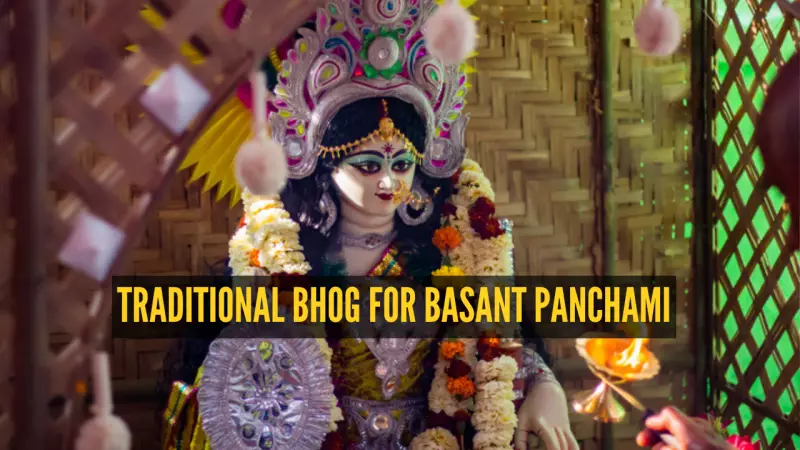
India, renowned as a land of vibrant festivals, joyously celebrates every season with cultural fervor. The festival of Saraswati Puja, widely known as Basant Panchami, not only honors the goddess of knowledge, Maa Saraswati, but also heralds the arrival of the spring season. Annually observed on the fifth day of the Magh month, typically falling in January or February, this festival is dedicated to Goddess Saraswati, symbolizing knowledge, education, creativity, and music. In 2026, Basant Panchami will be celebrated on Friday, January 23. According to the Drig Panchang, the madhyanha moment for the festival will occur at 12:33 PM, with the panchami tithi commencing at 02:28 AM on January 23 and concluding at 01:46 AM on January 24.
The Significance of Basant Panchami and Its Rituals
This festival marks the onset of spring, making the color yellow a central element. People often adorn yellow attire and present yellow-hued food to the deity, as this color embodies prosperity, optimism, energy, and positivity. During worship, devotees offer items such as pens, pencils, books, along with flowers, fruits, and sweets. Flowers like marigolds, jasmine, and roses are considered pure and auspicious, making them popular choices for offerings.
The puja vidhi involves dressing the deity in yellow garments, followed by offerings of flowers, fruits, and sweets, with a preference for yellow blooms. Devotees light camphor and agarbatti, praying for prosperity and knowledge. Additionally, new stationery items are offered, adorned with tilak, as a gesture of seeking the goddess's blessings for wisdom and success.

10 Traditional Bhog Offerings to Maa Saraswati
On this auspicious day, various traditional dishes are prepared and offered as bhog to Goddess Saraswati. Here are ten notable offerings, each with its unique significance and regional touch:
- Ber: A seasonal fruit offered to rejuvenate the skin, heal wounds, and promote digestion.
- Carrot: Rich in beta-carotene, this vegetable helps lower cholesterol and improve eyesight, making it a healthy offering.
- Boondi: These small sweet balls, made from gram flour, edible color, and sugar syrup, are a delightful treat offered as bhog.
- Meethe Chawal: A traditional dish from Punjab and Haryana, featuring saffron-infused rice cooked with sugar, ghee, cardamom, and dry fruits.
- Khichdi: In some parts of India, this comforting dish made with rice, dal, tomatoes, spices, and salt is served as bhog.
- Tehri: A specialty from Uttar Pradesh, where basmati rice is cooked in a pressure cooker with peas, gobi, carrots, and spices.
- Panchamrit: A healthy concoction of curd, milk, ghee, honey, and tulsi leaves, offered to the goddess for its nourishing properties.
- Malpua: In Bihar, these soft pancakes are prepared with maida, milk, sugar, chironji, and cardamom, often deep-fried and soaked in sugar syrup.
- Dal Poori: A deep-fried poori stuffed with spiced cooked chana dal, typically paired with chutney and curry.
- Kesari Halwa: A rich halwa made from semolina or wheat flour, ghee, saffron, and sugar syrup, commonly prepared as part of Saraswati Puja offerings.
These offerings not only reflect the culinary diversity of India but also enhance the spiritual essence of Basant Panchami, connecting devotees with tradition and devotion.