The Mystical Badavilinga Temple: Hampi's Perpetually Wet Monolithic Wonder
In the surreal, boulder-strewn landscape of Hampi, a UNESCO World Heritage Site in Karnataka, stands a towering symbol of devotion that continues to awe visitors centuries after its creation. This is the famous and unique Badavilinga Temple, home to Hampi's largest monolithic granite Shivalinga, an astonishing 3 meters high. What makes this religious monument truly stand out is not just its height, but the mysterious element of water that perpetually surrounds it.
A Sacred Chamber Carved from Stone
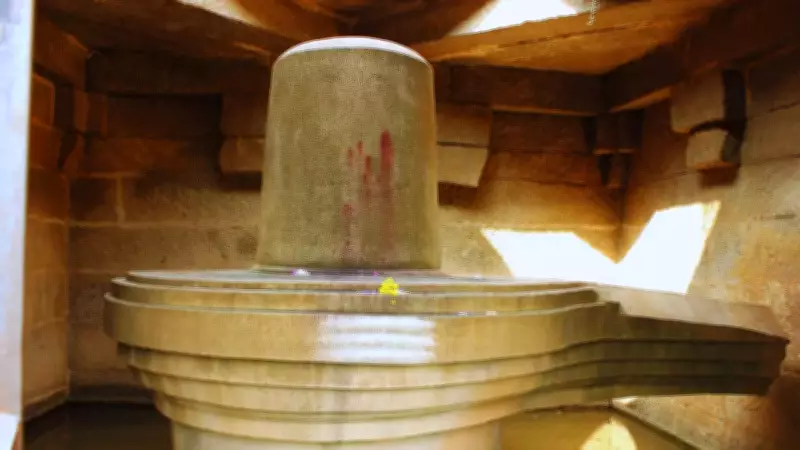
Located near the equally gigantic Lakshmi Narasimha statue, the Badavilinga is housed in a small chamber carved directly out of stones. While simple in appearance, it creates a powerful impact as a quiet, sacred, and serene spot where stones, water, and light converge in an impactful way. The temple lacks a traditional roof, featuring instead an opening on the stone roof that allows natural, soft light to filter in, illuminating the linga with direct rays of the sun.
Monolithic Marvel of Vijayanagara Art
Interestingly, the Badavilinga is carved from a single huge block of granite, presenting another monolith wonder of Vijayanagara art and architecture. As the largest of all lingas in the area, it is one of the most evocative symbols of Shiva in South India. Engraved on the linga are three distinct, horizontal eyes, symbolizing Lord Shiva's all-seeing wisdom.

The Touching Story Behind the Name
The name Badavilinga derives from a combination of two words: Badva, meaning poor, and Linga, referring to Lord Shiva. According to legend, the linga was commissioned by a poor peasant woman living near the famous Virupaksha Temple in Hampi. Despite her poverty, her sheer devotion led to the construction of this magnificent symbol, creating an irony where something associated with poverty in name became one of the largest and most majestic monuments.
The Eternal Water: Symbolism and Structure
One of the most fascinating aspects of the Badavilinga is that it is always moist and submerged in water, never drying up even during dry seasons. This is due to water from the Tungabhadra river collecting at its base, facilitated by the temple's design. From a spiritual perspective, this water symbolizes the Hindu myth where Lord Shiva caught the river Ganga in his matted locks to control its flow, embodying his role as the preserver of life-giving waters.
Historical Roots in the Vijayanagara Empire
The Badavilinga temple originated during the glorious Vijayanagara Empire, which reigned from the 14th to the 16th century, with Hampi as its glittering capital. Although the empire declined after the Battle of Talikota in 1565, its artistic and spiritual heritage endures. Today, it remains one of the oldest standing Shivalingas in Hampi, attracting thousands of devotees and tourists annually who come to pray and admire its size and significance.
Nearby Attractions and Eternal Presence
Visitors should also explore the Virupaksha Temple, an active place of worship dedicated to Lord Shiva that predates the Vijayanagara Empire, showcasing soaring gopurams and intricate carvings. As the sun sets over Hampi's rugged terrain, the granite boulders glow amber, and the Badavilinga's chamber grows quieter, with water at its base reflecting the fading light, making the towering stone form seem almost eternal.