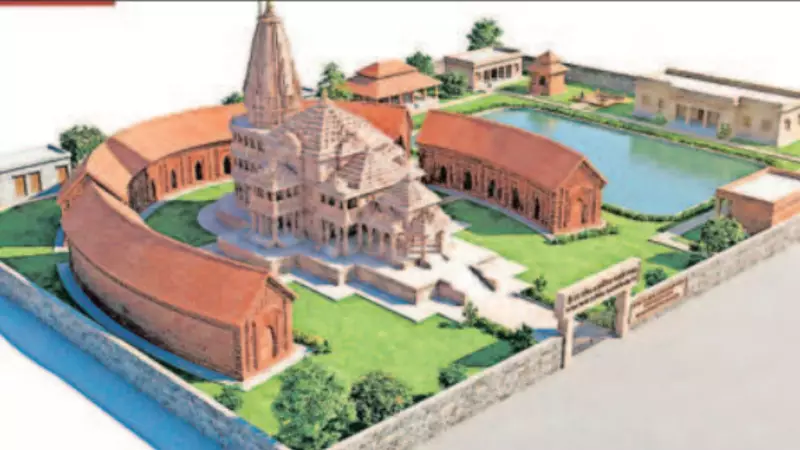
New Ayodhya-Style Ram Temple Planned in Bengal's Shantipur
In a significant religious development in West Bengal, preparations are underway for the construction of an Ayodhya-style Ram temple in Nadia district's Shantipur. The temple site is located approximately 90 kilometers from where a replica of the Babri Mosque is planned in Murshidabad district's Beldanga area.
Unique Cultural Elements and Historical Significance
The proposed temple, to be built by the Sri Krittibas Ram Mandir Trust, will feature several distinctive elements that set it apart from the original Ayodhya temple. While the architectural style will mirror the Ayodhya Ram Mandir, the idol of Lord Ram will be depicted according to the Krittivasi Ramayan, composed by 14th century Bengali poet Krittibas Ojha.
"The deity will be green in complexion and will be placed in the sanctum along with Sita, Lakshman and Hanuman," explained Arindam Bhattacharya, president of the Trust and former Congress MLA who later joined BJP.

The temple complex is strategically located just 100 meters from the birthplace of Krittibas Ojha in Phulia, adding historical and cultural significance to the project. Krittibas Ojha's translation of the Ramayan into Bengali, called "Sri Ram Panchali," was notable for addressing caste divisions within Hindus in medieval Bengal.
Project Details and Timeline
The temple will be constructed on a 15-bigha plot (approximately 9.73 acres) in Champatolla, Sadhurghat area of Shantipur. According to Trust officials, the foundation stone-laying ceremony is scheduled for February, though the exact date remains to be finalized.
The entire project is estimated to cost around Rs 100 crores and involves 27 Trust members, including some NRIs who are pooling funds along with their friends. The completion is targeted for 2028.
Beyond the main temple structure, the complex will include several additional facilities:
- A research center dedicated to cultural studies
- A digital heritage hub for preserving regional history
- A comprehensive cultural center
- A training center for religious studies
- A hub for religious tourism
Architectural Blend and Local Elements
While the main temple structure will follow the Ayodhya Ram Mandir design, the surrounding areas will incorporate 15th century terracotta designs that reflect the traditional architecture of the region. This blend of pan-Indian and local Bengali architectural styles aims to create a unique spiritual and cultural destination.
Secretary of the Trust, Litan Bhattacharya, who donated 10 bighas of land for the project, emphasized the cultural significance: "We are highlighting this place as Sridham of Shantipur. This initiative is about revitalizing and preserving our cultural heritage."
Political Context and Timing
The temple project, originally initiated in 2017, has gained renewed momentum just months before the upcoming Assembly elections in West Bengal. This development follows several other religious infrastructure projects recently inaugurated or initiated in the state, including Chief Minister Mamata Banerjee's inauguration of Jagannath Dham in Digha and foundation stone laying for Durgangan in New Town and Mahakal temple in Siliguri.
Arindam Bhattacharya, however, insists that "this is not a political move" but rather a religious and cultural initiative that began when he was an MLA in Shantipur in 2017. He explained that the project was temporarily paused as team members dispersed but has now been revived with fresh energy and resources.
Comparative Geography and Significance
The temple's location in Shantipur places it in interesting geographical and symbolic proximity to the proposed Babri Mosque replica in Beldanga, Murshidabad. The Babri Mosque replica project is being led by former TMC MLA Humayun Kabir, who now heads the Janata Unnayan Party (JUP).
This dual development of religious structures in relatively close proximity highlights the complex religious and cultural landscape of West Bengal, where multiple faith traditions have coexisted for centuries while occasionally experiencing tensions.

The Sri Krittibas Ram Mandir Trust has already finalized both the temple design and the idol specifications. Once completed, the complex is expected to become a significant center for religious tourism, cultural preservation, and community activities in the region.