Assam's Rongali Bihu Festivities Evoke Deep Emotions in First Celebration Without Zubeen Garg
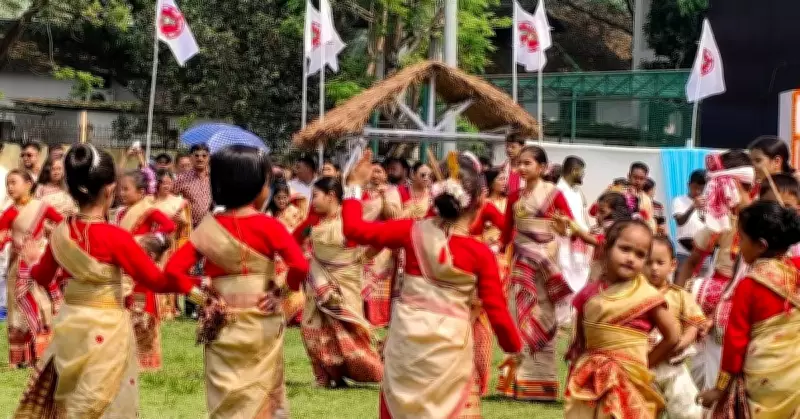
The vibrant and joyous Rongali Bihu celebrations in Assam this year are tinged with a profound sense of loss and nostalgia, as the state marks its first festival without the iconic presence of legendary singer Zubeen Garg. The annual spring festival, which traditionally bursts with music, dance, and cultural fervor, has taken on a somber yet respectful tone in many communities, with tributes pouring in for the artist who became synonymous with Bihu music for generations.
A Stage Named in Honor and a Void Felt Across the State
In a poignant reminder of Garg's enduring legacy, the Northeast Frontier Railway has dedicated a Bihu stage at Maligaon in Guwahati in his name. This gesture underscores the deep connection between the singer and the festival, highlighting how his powerful voice and compositions have shaped modern Bihu celebrations. However, his absence is palpable, with many fans and performers expressing how the festivities feel incomplete without his energetic performances and soulful renditions of Bihu songs that once electrified crowds.
All Assam Students' Union Advocates for UNESCO Recognition
Amidst the emotional backdrop, the All Assam Students' Union (AASU) has seized the moment to amplify its call for official recognition of Bihu as a UNESCO Intangible Cultural Heritage. The student body is urging both state and central governments to take proactive steps to secure this status, drawing parallels with successful Indian cultural entries like Garba of Gujarat and Ram Leela of North India.

The push for UNESCO listing is seen as a strategic move to preserve and promote Assam's rich cultural identity on a global platform. AASU argues that such recognition would not only honor the tradition but also boost tourism and foster greater appreciation for the diverse cultural tapestry of India.
Why UNESCO Recognition Matters for Bihu
- Cultural Preservation: UNESCO status would help safeguard the unique rituals, music, and dances associated with Bihu from potential dilution or loss over time.
- Economic Benefits: Enhanced global visibility could attract cultural tourists, providing a boost to local economies in Assam.
- National Pride: Adding Bihu to UNESCO's list would celebrate India's cultural diversity, alongside other recognized traditions like Garba and Ram Leela.
- Educational Value: It would encourage academic research and documentation, ensuring that future generations understand and value this heritage.
Looking Ahead: A Festival in Transition
As Assam navigates this emotional Rongali Bihu, the dual narratives of remembrance and advocacy are shaping the festival's contemporary identity. While Zubeen Garg's memory is honored through tributes and dedicated spaces, the campaign for UNESCO recognition represents a forward-looking effort to secure Bihu's legacy for the future. This year's celebrations, therefore, are not just about tradition but also about transformation, as the community reflects on loss while striving for greater cultural acknowledgment on the world stage.
The convergence of personal grief and collective ambition highlights how cultural festivals like Bihu are living traditions, constantly evolving yet deeply rooted in history. With reports by Sumir Karmakar and last updated on April 14, 2026, at 15:30 IST, this story continues to resonate across Assam and beyond.