The Archaeological Survey of India has launched an ambitious project to digitize India's rich epigraphic heritage. This initiative will transform how scholars and the public access ancient inscriptions.
Digitization of Estampages in Mysuru
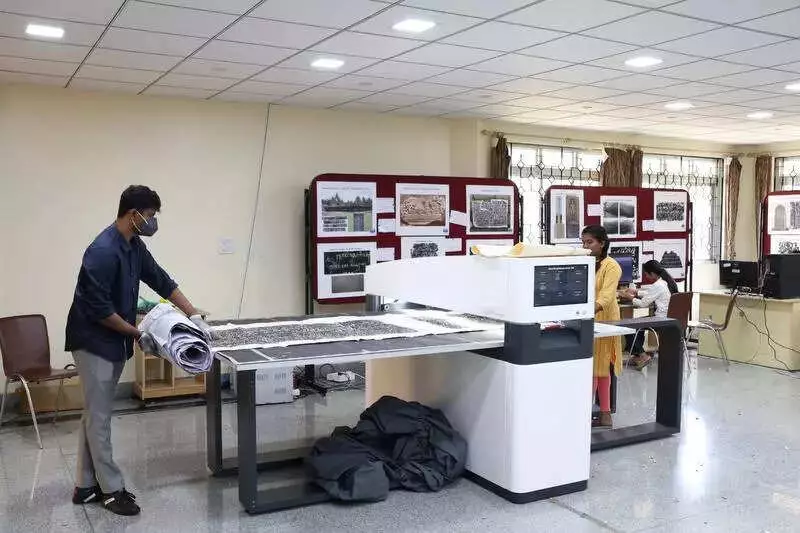
K Munirathnam Reddy, director of epigraphy at ASI, announced the start of this massive digitization effort. The work focuses on estampages preserved at the Directorate of Epigraphy in Mysuru. These estampages are paper impressions taken directly from stone inscriptions across India.
Bharat SHRI: A Digital Epigraphy Museum
The project aims to create the Bharat Shared Repository of Inscriptions, or Bharat SHRI. This digital platform will function as a comprehensive epigraphy museum. In its first phase, the project targets digitizing one lakh ancient inscriptions.

Officials have identified nearly 76,000 estampages for scanning. About 1,000 have already been digitized. The remaining work should finish within six months. The process generates high-resolution scans that maintain exceptional quality.
Access and Features for Users
Once completed, Bharat SHRI will offer free access to digitized estampages. Users can download these files without any cost. The images preserve a 1:1 ratio, allowing accurate printing at original sizes.
Reddy demonstrated this capability using scanned Tamil estampages as examples. The digitized versions can be printed to match originals precisely. This feature benefits researchers needing physical copies for study.
Comprehensive Academic Resource
The repository will include more than just images. Each digitized estampage will come with transcripts and detailed metadata. This comprehensive approach supports serious academic research.
Multiple search filters will make navigation intuitive. Users can search by date, village, dynasty, or king's name. "The repository will be available for the public on a search basis," Reddy confirmed.
Engaging the Public with History
Beyond academic circles, Bharat SHRI aims to engage wider audiences. The platform will help ordinary citizens connect with India's cultural and historical legacy. Easy access to these rare inscriptions promotes greater historical awareness.
This digitization effort represents a significant step in preserving India's epigraphic heritage. It ensures that valuable historical records remain accessible for future generations. The project demonstrates how technology can safeguard cultural treasures while making them available to all.