The Timeless Melody: 'Nach Re Mora' and Asha Bhosle's Cultural Impact
In the rich tapestry of Indian music, few songs have woven themselves into the collective memory of a region as deeply as the Marathi nursery rhyme 'Nach re mora ambyachya vanat'. This beloved balgeet, which translates poetically to 'dance, o peacock, in the mango grove', was first released in the early 1950s. For over seven decades, it has served as a musical cornerstone for generations of Marathi children, embedding itself in the cultural fabric of Maharashtra.
A Journey Through Generations
The song's enduring popularity is a testament to its simple yet evocative lyrics and catchy melody. From grandparents to grandchildren, 'Nach Re Mora' has been a constant companion in households, schools, and community gatherings. Its themes of nature, joy, and innocence resonate universally, making it more than just a children's song—it is a piece of shared heritage.
Interestingly, the rhyme's release coincided with a period of post-independence cultural renaissance in India, where regional arts flourished. This context adds depth to its legacy, positioning it as a symbol of Marathi linguistic and musical pride.

Asha Bhosle's Connection and Musical Legacy
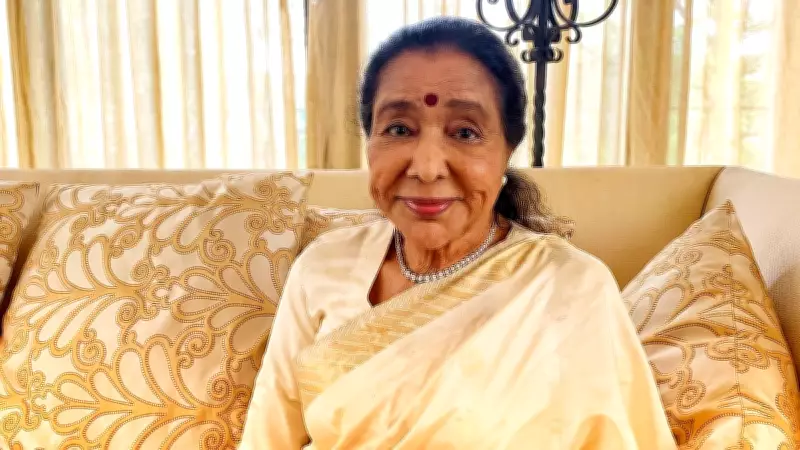
While the article highlights Asha Bhosle in relation to this song, it is important to note her broader influence on Indian music. As one of the most prolific and celebrated playback singers in Bollywood history, Bhosle's career spans countless hits across languages. Her potential association with 'Nach Re Mora'—whether through performance, promotion, or inspiration—underscores how iconic artists often bridge mainstream and regional music.
Bhosle's legacy, marked by versatility and longevity, mirrors the timelessness of this balgeet. Both have transcended their original eras to remain relevant, showcasing the power of art to connect people across time.
The Cultural Significance of Balgeet in Maharashtra
Nursery rhymes like 'Nach Re Mora' play a crucial role in early childhood development, fostering language skills, rhythm, and cultural identity. In Maharashtra, such balgeets are not merely entertainment; they are tools for passing down traditions and values.
- Educational Value: These songs often incorporate local flora, fauna, and customs, teaching children about their environment in an engaging way.
- Emotional Bonding: Singing these rhymes together strengthens family and community ties, creating cherished memories.
- Preservation of Language: They help preserve the Marathi language and dialects, ensuring linguistic continuity.
As we reflect on this piece of musical history, it is clear that 'Nach Re Mora' is more than just a song—it is a living tradition. Its ability to adapt and endure speaks volumes about the resilience of cultural artifacts in a rapidly changing world.