A unique art exhibition in Kolkata has successfully created a dialogue across generations of Indian artists, bringing together pioneers of early modernism, post-Progressive masters, and contemporary sculptors under one roof. The show moved away from traditional chronological displays to foster direct visual conversations between different artistic eras and forms.
Breaking Barriers Between Mediums and Eras
The exhibition's core curatorial vision was to dismantle the conventional hierarchy between painting and sculpture. Instead of segregating works by medium or time period, the display integrated them in shared spaces. This allowed viewers to experience shifts in artistic form, material, and concern across nearly a century of Indian art in a single, cohesive viewing.
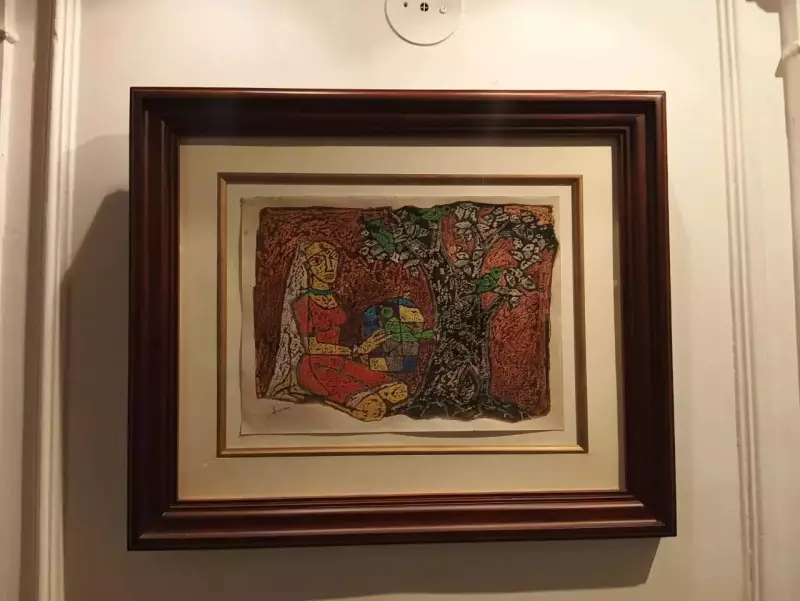
Paintings by seminal figures like Nandalal Bose and Jamini Roy were placed in proximity to works by later artistic giants, including Bikash Bhattacharjee, M. F. Husain, Ram Kumar, Shyamal Dutta Ray, and Prakash Karmakar. This deliberate placement encouraged comparisons between their distinct approaches, highlighting both evolution and enduring themes.

Sculpture Integrates with Painting for Richer Dialogue
In a significant departure from typical gallery layouts, three-dimensional works were not isolated. Sculptures by artists such as Debabrata De, Prafull Singh, Tapas Sarkar, Somnath Chakraborty, Tushar Kanti Das Roy, Debjyoti Purakayastha, and Milan Sengupta were thoughtfully integrated into the same viewing areas as the paintings.
This strategy powerfully emphasized the contrast between the two-dimensional surface and three-dimensional volume. More importantly, it revealed a continuity of artistic inquiry that transcends the choice of medium, asking viewers to consider the fundamental ideas behind the works.
Curator's Vision: Focus on Sustained Engagement
Curator Mousumi Mukherji explained that the exhibition was intentionally designed to avoid rigid categorizations. "The idea was to let works from different generations and mediums exist together, without dividing them into rigid categories," she stated. The goal was to create an environment conducive to reflection rather than a mere spectacle.
Mukherji emphasized that the focus was on sustained engagement with the art itself. "By keeping the presentation simple, the intention was to allow viewers to reflect on form, material and process," she added. This approach prioritized the viewer's personal journey and intellectual connection with the artworks over a didactic historical narrative.
The exhibition was held at Nakshatra Art Gallery in Kolkata from November 15 to December 22, offering art enthusiasts a rare opportunity to witness this cross-generational dialogue.