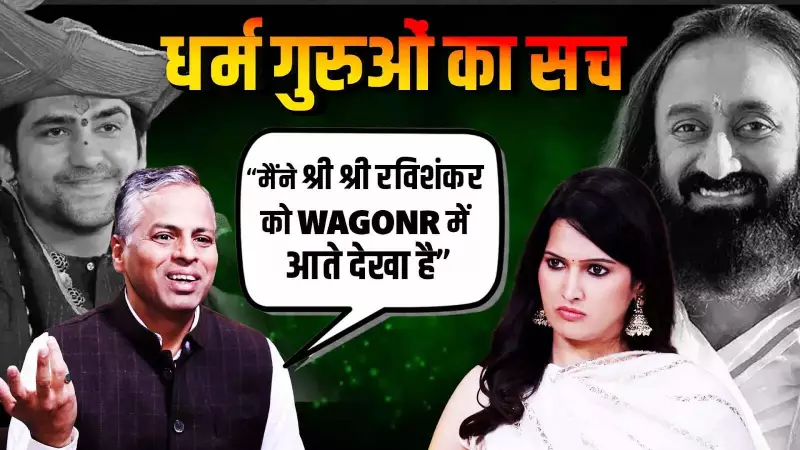
The lifestyles of India's popular spiritual leaders, often termed 'dharm gurus,' have ignited a fresh wave of public debate and scrutiny. A deep dive by commentator Bhavya Shrivastav, published on December 30, 2025, questions whether these figures are leading excessively lavish lives or are simply victims of public misunderstanding.
Instances That Sparked The Controversy
The discussion centers on specific, high-profile examples that have captured public attention. The analysis points to Indresh Upadhyay's grand wedding celebrations, which were noted for their scale and opulence. Similarly, preacher Jaya Kishori faced online commentary for flaunting a new, high-end iPhone, a symbol of modern materialism.
Perhaps the most striking example cited is that of Bageshwar Baba Dhirendra Shastri, whose travel via a private jet became a major talking point. These visible displays of wealth stand in stark contrast to the traditional ideals of simplicity and renunciation often associated with spiritual guidance, forcing followers and critics alike to re-examine their perceptions.

Societal Expectations vs. Modern Reality
The core of the debate probes the complex expectations society places on its spiritual figures. On one hand, there is a deep-seated belief that those who preach detachment and spiritual wealth should personally embody those values, avoiding overt material displays. The visible consumption of luxury goods and services by some gurus appears to directly challenge this notion, leading to accusations of hypocrisy.
On the other hand, a counter-argument suggests that these individuals may be misunderstood. Supporters often contend that in the modern context, a certain level of comfort and reach is necessary to manage large organizations and spread their message effectively. The question remains: where does operational necessity end and personal luxury begin?
Broader Implications and Public Discourse
This controversy extends beyond individual gurus to spark a wider conversation about faith, trust, and the evolving role of spiritual leadership in contemporary India. It forces a societal introspection on why these displays provoke such strong reactions. Is it a genuine concern for spiritual integrity, or does it reflect our own conflicted relationship with materialism?
The scrutiny highlighted by Bhavya Shrivastav indicates a growing public demand for transparency and alignment between the preached word and the lived experience of these influential figures. The unfolding discourse suggests that the era of unchallenged reverence may be giving way to one of accountable leadership, even in the spiritual realm.
As the lines between spiritual empire and corporate enterprise blur for some top gurus, this debate is likely to intensify. The fundamental tension between ancient ideals of asceticism and the realities of modern fame and influence continues to fuel headlines and public critique across the nation.