Animals That Sleep the Least: How They Survive on Minimal Rest
While humans typically require 7-9 hours of sleep to function optimally, numerous animal species have evolved to thrive on remarkably little rest. These creatures have developed unique sleep habits that enable them to survive in challenging environments, whether to evade predators, maintain constant movement, or stay vigilant in their surroundings. Their ability to function on minimal sleep represents a fascinating adaptation to the demands of the wild.
Disclaimer: This content is intended for general informational and educational purposes only. Sleep patterns in animals can vary widely depending on species, environment, age, and current scientific research. The information presented here is based on commonly reported observations and may not represent exact or universal sleep durations.
Dolphin: The Master of Unihemispheric Sleep
Dolphins exhibit one of the most intriguing sleep mechanisms in the animal kingdom. Unlike humans who experience full-brain sleep, dolphins practice unihemispheric slow-wave sleep, where one hemisphere of the brain remains active while the other rests. This adaptation allows them to swim continuously, surface for intentional breathing, and maintain awareness of potential threats, making them exceptionally resilient marine mammals.

Elephant: The Minimalist Sleeper of the Savanna
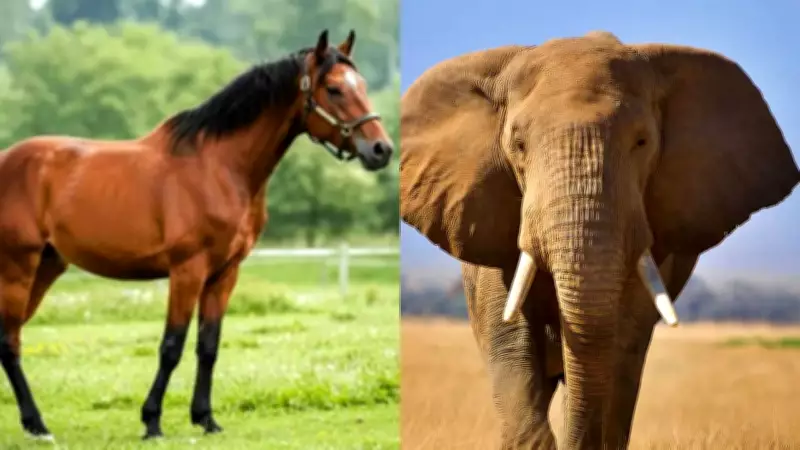
Elephants rank among the world's lightest sleepers, requiring only 2 to 3 hours of sleep per day. Wild elephants often go days without proper sleep as they traverse vast distances in search of food and water. Their ability to function on such limited rest is crucial for survival in arid environments where resources are scattered and competition is fierce.
Swift: The Aerial Napper
Certain bird species, particularly swifts, demonstrate extraordinary sleep behaviors by napping while in flight. This capability enables them to remain airborne during long migrations without needing extended ground-based rest periods. Their ability to sleep on the wing represents a remarkable evolutionary solution to the challenges of constant motion.
Deer: The Vigilant Grazer
Deer survive on just 2-3 hours of sleep daily, typically in multiple short naps rather than prolonged sleep sessions. This pattern allows them to maintain constant vigilance against predators while grazing. Their light sleeping habits are a direct adaptation to their position as prey animals in various ecosystems.
Bullfrog: The Alert Amphibian
Research indicates that bullfrogs maintain alertness throughout their resting periods, never entering deep sleep states like many other organisms. This perpetual vigilance helps them respond quickly to threats in their aquatic habitats, demonstrating how even amphibians have developed unique sleep adaptations.
Horse: The Standing Sleeper
Horses are renowned for their ability to sleep while standing, thanks to a specialized stay apparatus in their legs that locks joints without muscular effort. They typically sleep 2-3 hours daily through brief cat-naps, allowing for rapid escape from danger. This adaptation is particularly valuable for herd animals in open environments.
Giraffe: The Towering Light Sleeper
Despite their massive size, giraffes are among the world's lightest sleepers, managing with just 30 minutes to 2 hours of sleep per day in short bursts. Their sleep deprivation keeps them alert against predators while their towering height provides some security, yet they remain ready to defend themselves at moment's notice.
These animals demonstrate that sleep requirements vary dramatically across species, with each developing specialized strategies to balance rest with survival needs. Their adaptations offer fascinating insights into evolutionary biology and the diverse ways life persists in nature's challenging landscapes.