The Fascinating Reality of Gender Fluidity in the Animal Kingdom
In the captivating world of nature, biological sex is not always a permanent characteristic. For numerous species, the ability to change gender represents a sophisticated evolutionary strategy that enhances survival, adaptation, and reproductive success. This remarkable phenomenon, scientifically termed sequential hermaphroditism, allows certain animals to transition between male and female states during their lifetime, driven by social dynamics, environmental conditions, and the imperative to propagate their genes.
Why Gender Change is a Strategic Adaptation
Gender transformation in animals is far from a random occurrence; it is a highly evolved biological mechanism. By altering reproductive roles based on factors such as size, age, or the social hierarchy within a group, these species optimize their chances of survival and reproduction. This inherent flexibility ensures that mating opportunities are maximized, even in scenarios where populations are small, imbalanced, or face environmental pressures.
Five Extraordinary Examples of Gender-Changing Animals
Here are five incredible animals that demonstrate nature's fluid approach to gender, showcasing how this adaptation helps them thrive in diverse habitats.

1. Clownfish: The Iconic Gender Switchers
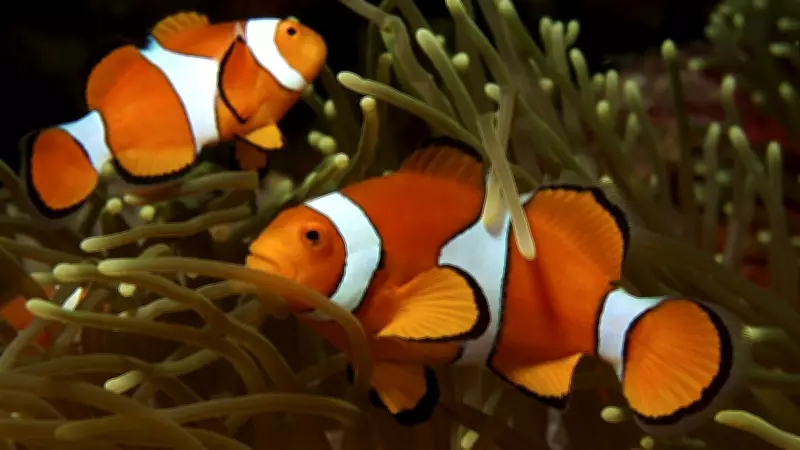
Immortalized by the beloved film Finding Nemo, clownfish are perhaps the most renowned gender-changing animals. They inhabit strict social structures dominated by a single female. In the event of the female's demise, the largest male undergoes a transformation to assume the female role, while another male ascends within the hierarchy. This seamless transition guarantees the group's continuity and reproductive viability.
2. Wrasses: Masters of Transformation
Wrasses, a vibrant and diverse family of reef fish, are experts in gender metamorphosis. Many species are born female and later change sex to male as they grow larger or when a dominant male is absent. This switch is often accompanied by striking alterations in coloration, size, and behavior, effectively granting them a new social identity and role within their community.
3. Groupers: From Female to Male
Groupers typically commence life as females and can transition into males as they mature, a process known as protogyny. This change is frequently triggered by population dynamics that necessitate more males for effective reproduction. Larger males are better equipped to control breeding territories, making the gender switch a strategic advantage for the species' long-term survival.
4. Oysters: Seasonal Gender Flexibility
Unlike many fish, oysters possess the unique ability to change gender multiple times throughout their lives. Environmental variables such as temperature fluctuations, food availability, and population density influence whether an oyster functions as male or female in a given season. This adaptability significantly boosts reproductive success, particularly in unstable or changing environments.
5. Slipper Limpets: Socially Driven Sex Changes
Slipper limpets, marine snails, alter their gender based on social positioning. They begin life as males and transform into females as they increase in size. Often found stacked atop one another, the largest individual at the base becomes female, ensuring efficient and organized reproduction within the group.
These examples underscore the incredible diversity and ingenuity of nature, revealing that gender fluidity is a powerful tool for adaptation and resilience in the animal kingdom.