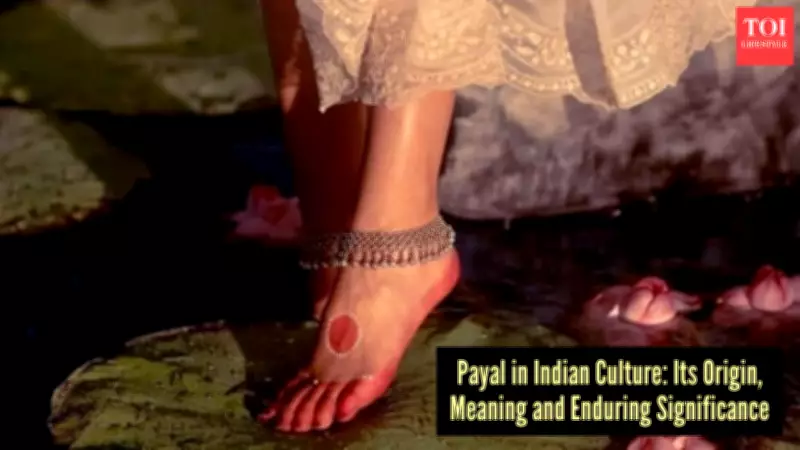
The traditional payal, or anklet, is deeply rooted in Indian heritage and jewellery traditions. Worn by women around their ankles for millennia, the payal transcends mere decoration, embodying layers of symbolism, history, social significance, and spirituality passed down through generations. From ancient civilizations to contemporary times, this delicate ornament continues to represent grace, elegance, and femininity.
Ancient Origins of Payal
The practice of wearing payal dates back thousands of years, with early examples found in Egyptian and Mesopotamian civilizations, where it signified social status and wealth. In India, the history of payal can be traced to the Indus Valley Civilization, one of the world's oldest urban cultures. Archaeological findings suggest that anklets were worn by both men and women in that era, often made from beads, shells, and metals.
Cultural Significance of Payal
Payals have long been associated with prosperity, femininity, and marital status. In many Indian communities, they form an essential part of a bride's jewellery set and are gifted during weddings as symbols of happiness and good fortune. The gentle tinkling sound of payals historically announced a woman's arrival, reflecting respect and courtesy within the household. In some traditions, the sound was also believed to ward off evil spirits.

Evolution of Payal in Modern Fashion
The payal has evolved from a purely traditional ornament to a versatile fashion accessory. While earlier designs featured gold and silver with tiny bells, contemporary designers now offer gemstone-studded pieces, minimalist silver chains, and modern interpretations crafted from mixed metals. These anklets are worn with traditional attire as well as Western outfits, blending heritage with contemporary style.
Why Is It Called 'Payal'?
The word 'payal' originates from Hindi and several other Indian languages, referring to ornamental ankle jewellery. Regional variations include 'pajeb', 'nupur', 'kolusu', and 'golusu'. Despite linguistic differences, the cultural significance of payal remains high across India, symbolizing beauty and tradition.
Parting Ways: A Timeless Ornament
Even as fashion trends change, the payal retains a significant place in Indian culture, representing a bridge between traditionalism and modernity. Whether worn for cultural, spiritual, or fashion purposes, it continues to be an icon of heritage, elegance, and identity. The enduring appeal of the payal lies in its unique history that has developed over centuries, ensuring its place in jewellery boxes for generations to come.