Debating God, Missing the Point: An Analysis of the Akhtar-Nadwi Dialogue
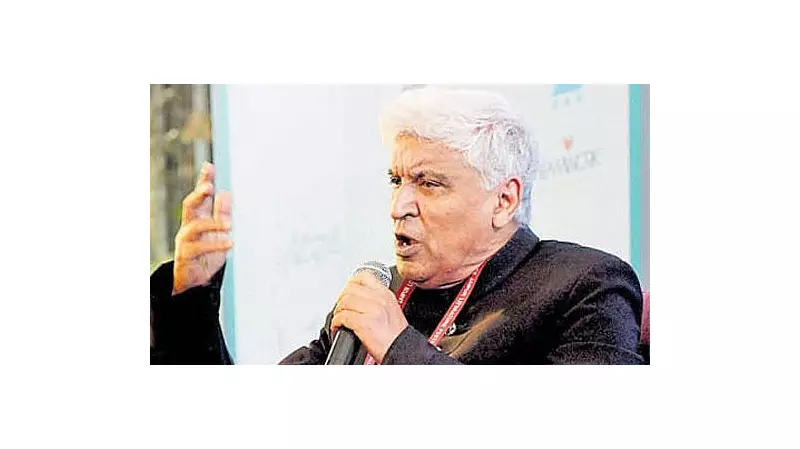
The recent debate between renowned poet and lyricist Javed Akhtar and esteemed Islamic scholar Mufti Shamail Nadwi on the profound question, "Does God exist?" has sparked widespread discussion across India. This intellectual exchange, held in a public forum, brought together contrasting perspectives from the realms of art and religion, highlighting the ongoing dialogue about faith and reason in contemporary society.
Context and Participants of the Debate
Javed Akhtar, a celebrated figure in Indian cinema and literature known for his secular and humanist views, engaged with Mufti Shamail Nadwi, a respected Islamic scholar who represents traditional theological thought. The debate was structured to explore existential and philosophical dimensions, with Akhtar often questioning the empirical evidence for God's existence, while Nadwi emphasized faith, scriptural authority, and spiritual experiences as foundational proofs.
This event is part of a broader trend in India where public figures from diverse backgrounds participate in discussions on religion and morality, reflecting the country's pluralistic ethos. Such debates aim to foster understanding but sometimes risk oversimplifying complex theological issues.

Key Arguments and Public Reaction
During the debate, Javed Akhtar presented arguments rooted in rationalism and skepticism, challenging the notion of God based on scientific inquiry and logical reasoning. He pointed to historical and social contexts where religious beliefs have been contested, advocating for a more evidence-based approach to existential questions.
In response, Mufti Shamail Nadwi articulated a defense grounded in Islamic theology, citing Quranic verses, prophetic traditions, and the concept of divine revelation. He argued that faith transcends mere empirical observation, involving a deeper, personal connection with the divine that rationalism cannot fully capture.
The public reaction has been mixed, with some applauding the open discourse as a step towards intellectual freedom, while others criticize it for potentially polarizing communities or trivializing sacred beliefs. Social media platforms and news outlets have amplified these views, making the debate a focal point for discussions on secularism and religion in India.
Broader Implications for Indian Society
This debate underscores the delicate balance between freedom of expression and religious sensitivity in India. It raises important questions about how such dialogues can be conducted respectfully without inciting discord. As a multicultural nation, India often navigates these tensions through public forums that encourage dialogue while upholding constitutional values.
Moreover, the event highlights the role of celebrities and scholars in shaping public opinion on spiritual matters. By engaging in these conversations, figures like Javed Akhtar and Mufti Shamail Nadwi influence societal attitudes towards faith, reason, and coexistence.
In conclusion, while the debate on God's existence between Javed Akhtar and Mufti Shamail Nadwi may have missed deeper philosophical nuances, it serves as a significant moment in India's ongoing exploration of identity and belief. It reminds us of the importance of fostering informed and respectful discussions in a diverse democracy.