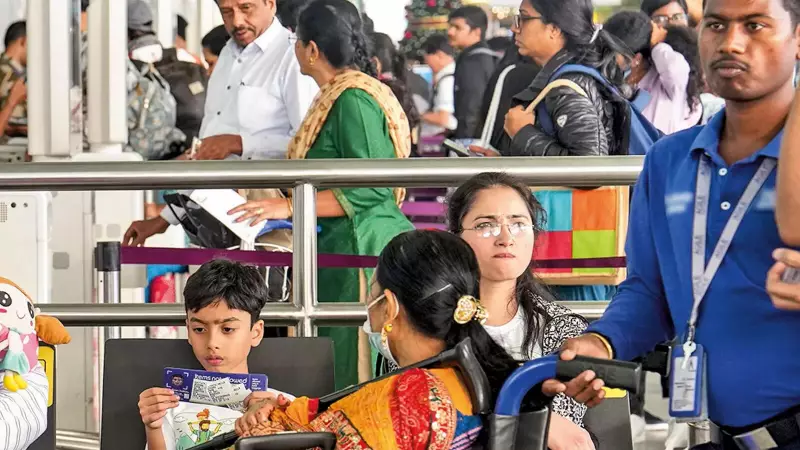
Airport Wheelchair Misuse Highlights India's System-Gaming Habit
Chetan Bhagat recently pointed out a curious trend in Indian airports. Many travelers seem to develop a sudden inability to walk when catching flights, especially international ones. This observation raises serious questions about our collective behavior.
Shocking Statistics from CISF Survey
A 2024 survey conducted by the Central Industrial Security Force uncovered startling data. Approximately 12% of passengers departing from Indian airports for international destinations book wheelchair assistance. That translates to roughly one in every eight travelers claiming they cannot walk.
These numbers are hard to ignore. They suggest a widespread pattern that goes beyond occasional convenience seeking.

Genuine Needs Versus Exploitation
We must acknowledge that some passengers have legitimate mobility issues. Elderly individuals, people with disabilities, and those recovering from injuries genuinely require wheelchair support. Airports provide this service as a crucial accessibility measure.
However, the sheer volume of bookings indicates possible misuse. When one in eight international flyers requests a wheelchair, it stretches credulity. This discrepancy points toward a deeper cultural tendency.
The Psychology of Gaming the System
Why do so many people resort to this practice? Several factors might explain this behavior:
- Perceived advantages: Wheelchair users often receive priority boarding and faster security checks.
- Time-saving: Airports can be vast and crowded, making walking tedious for some.
- Cultural normalization: When many people do it, others feel justified in following suit.
This phenomenon reflects a broader mindset. Many Indians have learned to game systems for personal benefit, whether in traffic, queues, or public services. The airport wheelchair issue merely mirrors this ingrained habit.
Consequences and Ethical Concerns
Misusing wheelchair services has real consequences. It strains airport resources and staff. Genuinely needy passengers might face delays or inadequate attention. Furthermore, it erodes trust in public systems.
Ethically, this practice raises questions about fairness and integrity. Exploiting facilities meant for the vulnerable undermines social responsibility. It also projects a poor image internationally, suggesting a lack of civic sense.
Moving Toward Change
Addressing this issue requires collective effort. Airports could implement stricter verification processes. Public awareness campaigns might highlight the importance of reserving wheelchairs for those truly in need. Ultimately, individual honesty remains key.
We must reflect on why gaming the system feels acceptable. Changing this mindset will take time, but recognizing the problem is the first step. Let's ensure wheelchair services serve their intended purpose, supporting those who genuinely cannot walk.