Delhi's art scene is set for a landmark event as one of the world's most provocative contemporary artists, Ai Weiwei, prepares for his first-ever solo exhibition in India. The show will be hosted at the renowned Nature Morte gallery in the capital.
A Debut Three Decades in the Making
The exhibition is scheduled to run from January 15 to February 22, 2025. In a statement, Ai Weiwei expressed his anticipation, noting that while the display features about a dozen artworks, it encapsulates crucial aspects of his creative journey spanning over two, and nearly three, decades. The collection promises a focused selection across various mediums, offering a distilled yet powerful overview of his practice.
The gallery's co-directors, Aparajita Jain and Peter Nagy, have emphasized the significance of this moment. Jain stated that bringing Ai Weiwei's work to India is driven by a sense of urgency, not spectacle. She highlighted how his art confronts themes of history, power, borders, and memory with stark clarity—themes that resonate deeply in the Indian context where they are actively lived experiences.

Signature Works and Global Commentary
Visitors can expect to see some of Ai Weiwei's most celebrated pieces, including his iconic toy-brick compositions. In these works, he assembles thousands of plastic interlocking bricks to form monumental, pixel-like surfaces. These creations often reimagine famous artworks or reference pivotal political events and collective memories.
Key works on display will include "Surfing (After Hokusai)," a reinterpretation of Katsushika Hokusai's legendary 1831 woodblock print "The Great Wave." Another highlight is "Water Lilies," which draws inspiration from Claude Monet's iconic impressionist series. These pieces exemplify Ai's dialogue with art history through a modern, critical lens.
Bridging Ancient History and Modern Crises
The exhibition also underscores how Ai Weiwei's practice consistently connects ancient cultural artifacts with pressing contemporary issues. Works like "If Stone Axes Painted White" incorporate neolithic stone tools, while "Porcelain Pillar with Refugee Motif" directly addresses the global migration crisis.
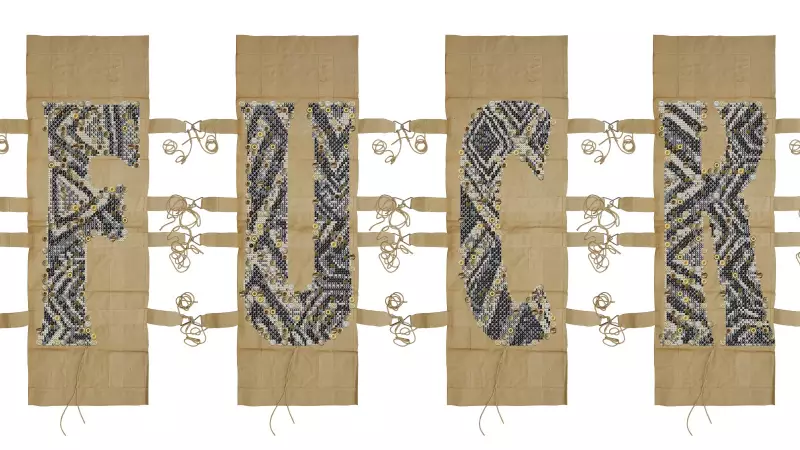
The selection will feature recent creations as well, such as "F.U.C.K.," a piece constructed from buttons, and "Whitewashed Remnants of History of the State of Emerging Future Works." The latter is reported to be making its public debut for the first time at this Delhi exhibition.
Peter Nagy, co-director of Nature Morte, reflected that presenting Ai Weiwei's first solo show in India feels both long overdue and critically essential. He pointed to the current global moment, where the politics of imagery, movement, and identity are powerfully shaping lives—including across India—making this artistic conversation vital.
This exhibition positions Delhi as a significant stop in the global discourse on art and activism, inviting local audiences to engage with works that challenge, question, and reflect upon the complexities of our times.