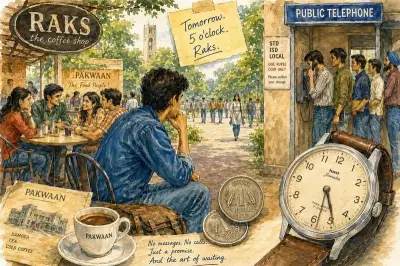
For Indian children who grew up in the 1990s, childhood was defined by a unique blend of anticipation, negotiation, and the sheer joy of simple pleasures. In an era before smartphones, instant delivery, and on-demand entertainment, every desire required a campaign directed at the ultimate gatekeepers: parents. A recent wave of nostalgia highlights the stark contrast between the experiences of 90s kids and today's Gen Z, for whom many of these once-coveted items seem like relics from a forgotten world.
The Art of Begging: A Pre-Digital Negotiation
Life moved at a slower pace. There was no Amazon for next-day delivery, no smartphones for instant gratification. When a child wanted something, the process involved persistent pleading, reasoned arguments (often fabricated), and enduring lengthy parental lectures on value and necessity. A successful 'yes' felt like a monumental victory, a small lottery win in the economy of childhood wants. The items on the list were not just products; they were symbols of freedom, identity, and social currency.
10 Iconic Artifacts of a 90s Indian Childhood
The 'Grow-Into-It' Bicycle: Acquiring a bicycle was a family event, often involving relatives and neighborhood inspections. Parents invariably bought a model one size too large, promising you would 'grow into it.' Kids begged for附加 features like gears, a loud bell, or a front basket. The humble stand was considered a luxury. This two-wheeler wasn't just a toy; it was a passport to limited freedom, allowing rides 'a little far,' typically just a couple of lanes away from home.

The Monitored Landline Call: Communication revolved around the family landline. Every call to a friend was conducted under the anxious shadow of a parent counting minutes. The classic plea was for 'just five more minutes,' often justified by fake discussions about homework. Conversations were mastered under pressure, a far cry from today's endless, casual FaceTime sessions.
The Sunday-Only Video Game Console: Whether it was a video game cassette system, a Sega clone, or the coveted PlayStation, getting a gaming console was a major achievement. Its use, however, came with strict rules: only on Sundays, only after homework, only for one hour. That precious hour felt shorter each week, but the weekly wait for Mario or Sonic made the victory sweeter.
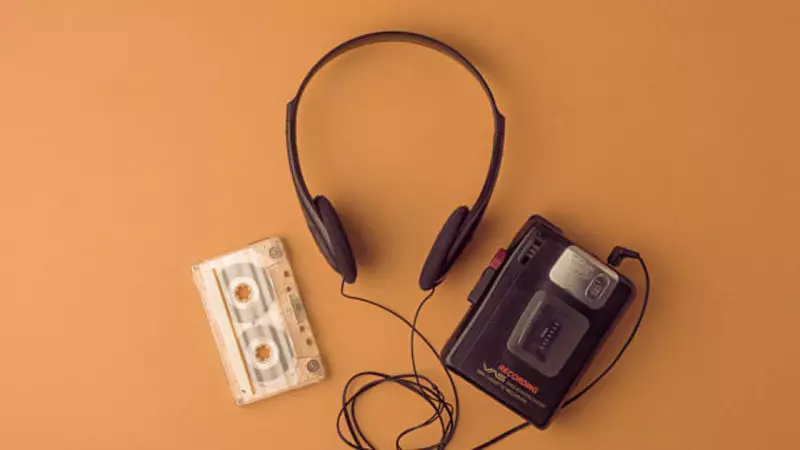
The Battery-Hungry Walkman: Music wasn't effortlessly streamed; it was earned and carefully curated on cassette tapes. The portable Walkman or tape recorder was a fragile treasure. Parents questioned the need for 'music on the go,' suggesting one listen at home. Kids learned to rewind tapes using a pencil to save precious AA batteries, which were guarded like gold.
Negotiated Cable TV & Cartoon Network: Before cable, Doordarshan ruled. The arrival of cable TV brought Cartoon Network and Nickelodeon into living rooms, sparking a new frontier of parent-child negotiation. While kids begged for cartoons, parents advocated for news channels. The resulting compromise was often painful, with entire days scheduled around a single 30-minute cartoon slot.
The Multi-Zip School Bag: A school bag was a serious style statement. The more compartments and zips, the better. Bonus points were awarded for cartoon characters or reflective strips. While parents prioritized durability, kids cared about looks. This essential item could dictate social standing in the schoolyard.
The Short-Lived Remote Control Car: Advertised as marvels of technology, these toys promised endless racing fun. In reality, they often moved for a few glorious minutes before succumbing to broken wires or dead batteries. Despite parental warnings, the brief moment of magic was worth the begging.
The 'Too Good to Use' Fancy Stationery: Gel pens, scented erasers, and glitter pencils were objects of desire. The irony? Once acquired, they were often deemed too special for daily use, saved for a 'perfect occasion' that never came. The simple joy of smelling a new eraser was a genuine highlight.

The Train Journey Vacation: Family vacations were synonymous with train travel. The thrill of securing an upper berth or a window seat, the taste of home-packed food, and the excitement of buying snacks at station stops defined the holiday experience. It was an adventure measured in stations and shared with compartment strangers.
The Locked Personal Diary: This was the ultimate safe haven for secrets, crushes, and dramatic musings. The very presence of a small lock invited parental suspicion, which only reinforced its necessity. Feelings were poured onto paper, and the key was hidden in a supremely secret spot, like under the mattress.
A Legacy of Patience and Value
Looking back, these objects and experiences seem quaint. Yet, they fundamentally shaped a generation. They taught the value of patience, the joy of anticipation, and the deep appreciation for things earned through wait and persuasion. While Gen Z, born into digital ubiquity, might struggle to comprehend why these simple things mattered so much, for 90s kids, this was the texture of childhood. It was a time of scraped knees, tangled cassette tapes, and weekly countdowns to Sunday gaming—a kind of imperfect, yet perfectly memorable, era.