As the chill of January deepens, North India, especially Punjab, gears up for one of its most vibrant and joyous celebrations – Lohri. More than just a festival of bonfires and sweets, Lohri is a rich cultural tapestry woven with history, agricultural significance, and communal spirit. While most know it for its lively bhangra, gidda, and offerings of rewri and peanuts, there are numerous layers to this festival that remain less explored. Let's delve into eight intriguing facts that reveal the deeper essence of Lohri.
The Astronomical and Agricultural Significance
Lohri is not celebrated on a random winter night. It is intrinsically linked to the solar calendar and marks the end of the winter solstice. The festival is observed on the last day of the month of Paush, just before Makar Sankranti. This period signifies the sun's journey towards the northern hemisphere, known as Uttarayan, bringing longer days and shorter nights.
From an agricultural standpoint, Lohri is a traditional harvest festival. It primarily celebrates the harvesting of the winter crop, Rabi, with the first cut of the season being especially significant. The bonfire symbolizes gratitude to the Sun God, Surya, for the warmth and energy that led to a bountiful harvest, and a prayer for continued prosperity in the coming season.

Historical Roots and Folklore
The origins of Lohri are steeped in fascinating folklore. One of the most popular legends connects the festival to the heroic tale of Dulla Bhatti, a Punjabi folk hero from the Mughal era. Hailed as the 'Robin Hood of Punjab', Dulla Bhatti was known for rescuing Hindu girls from being sold in slave markets and arranging their marriages. During Lohri celebrations, folk songs are sung in his praise, keeping his legacy of bravery and righteousness alive. The lines 'Sunder mundriye ho! Tera kaun vicahara? Dulla Bhatti wala!' are a staple around every Lohri bonfire.
Another belief traces the festival's name to Loi, the wife of the social reformer Sant Kabir. However, the more commonly accepted etymology is that it derives from 'Tilohri', a combination of til (sesame) and rorhi (jaggery/gur), two key ingredients used in festive offerings.
Rituals, Celebrations, and Symbolic Foods
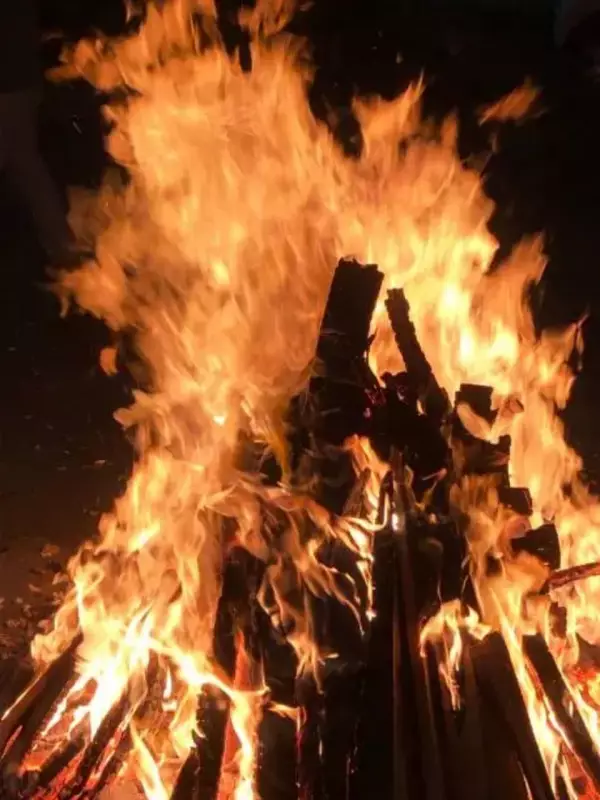
The central ritual of Lohri is the community bonfire. People gather around the fire, throw offerings like popcorn, peanuts, rewri, and puffed rice into the flames, and perform traditional dances like bhangra and gidda. This act of offering is symbolic of giving back to nature and praying for abundance.
The festival holds special importance for families with newlyweds and newborn children. It is considered auspicious to celebrate the first Lohri of a bride or a new baby with great fervor, involving extended family and friends with generous gifts and blessings.
The food of Lohri is not just tasty but deeply symbolic. The consumption of til and gur (sesame and jaggery) represents the bonding of people and the wish for sweet, strong relationships. Other winter delights like sarson da saag and makki di roti are quintessential to the feast, celebrating the seasonal produce.
Regional Variations and Modern Relevance
While Lohri is quintessentially Punjabi, its spirit is celebrated across North India under different names and customs. It coincides with Makar Sankranti in many states, Pongal in Tamil Nadu, and Bihu in Assam. All these festivals share the common theme of thanking nature and celebrating the harvest.
In modern times, Lohri has transcended its regional boundaries. It is now celebrated with enthusiasm in urban centers across India and by the Punjabi diaspora worldwide. It serves as a powerful cultural anchor, reminding people of their roots, the importance of community, and a sustainable connection to the cycles of nature. The festival beautifully blends joy with gratitude, making it a timeless celebration of life and prosperity.