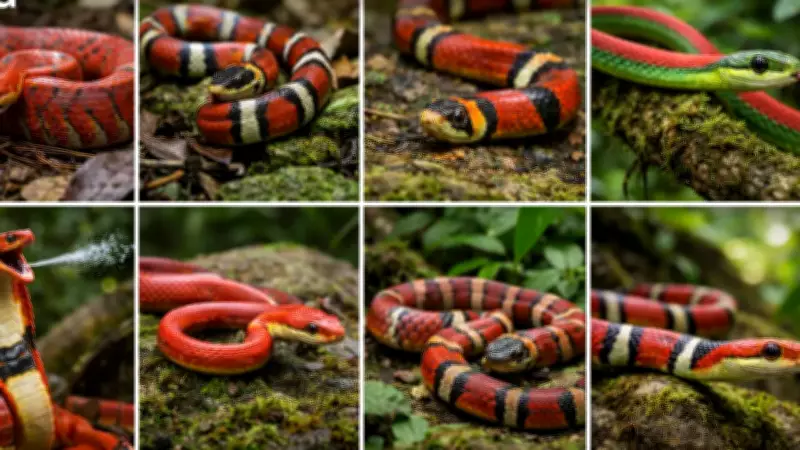
8 Incredible Red Snakes That Actually Exist in Nature's Wild
Colour in nature is rarely just for show; it often serves deeper purposes, from camouflage to warning signals. Among reptiles, red snakes stand out as some of the most visually striking and fascinating species on the planet. These vibrant creatures inhabit diverse environments across the globe, including forests, grasslands, wetlands, and mountainous regions. The red coloration in snakes can signify various traits, such as toxicity, mimicry, or adaptation to specific habitats.
While some red snakes are harmless and prefer to avoid conflict, others possess potent venom or defensive mechanisms that command respect. Despite their sometimes intimidating appearances, these snakes play crucial roles in maintaining ecological balance by controlling pest populations and supporting biodiversity. Here, we explore eight remarkable red snake species that you might not believe actually exist in the wild.
Red Mountain Racer
The Red Mountain Racer is a captivating snake found in the Himalayan regions and Southeast Asia. It features a reddish hue with dark spots, blending seamlessly into its cold, mountainous habitat. This non-venomous species is known for its shy demeanor, typically hunting at dusk and avoiding human interaction.

Red-Backed Parrot Snake
Inhabiting the tropical forests of Central America, the Red-Backed Parrot Snake is a slender, arboreal species. Its bright red back provides excellent camouflage against the lush green foliage. Although non-venomous, it preys on small lizards and amphibians, contributing to the forest ecosystem.
Banded Kukri Snake
Native to South Asia, particularly India, the Banded Kukri Snake is a small, mildly venomous species with a reddish body and distinctive banded markings. Despite its presence in human-populated areas, it poses minimal threat to human health and often goes unnoticed due to its reclusive nature.
Red Bamboo Snake
Found across various parts of Asia, the Red Bamboo Snake boasts an exceptionally bright red coloration that sets it apart from other snakes. It thrives in cool, wet environments and is generally non-aggressive, making it a lesser-known but intriguing member of the snake family.
Red Spitting Cobra
The Red Spitting Cobra, native to Africa, is a venomous species known for its defensive tactic of spraying venom at perceived threats, often aiming for the eyes. It inhabits savannahs and arid regions, preferring nocturnal activity. While highly defensive, it tends to avoid human encounters.
Eastern Coral Snake
With its distinctive bands of red, yellow, and black, the Eastern Coral Snake is an extremely venomous species found in the southeastern United States. It resides in sandy and wooded areas and, despite its lethal venom, is shy and rarely aggressive. Its vibrant coloration serves as a warning to potential predators.
Red Milk Snake
The Red Milk Snake, native to North and Central America, is often mistaken for the dangerous coral snake due to its similar red, black, and white striped pattern. However, it is non-venomous and harmless to humans. Inhabiting forests and grasslands, it feeds on rats and other small reptiles, aiding in pest control.
Red Corn Snake
Originating from the southern United States, the Red Corn Snake is a non-venomous species characterized by its reddish-orange color and black-edged patterns. Known for its peaceful nature, it can be found in both forested areas and farmlands, where it helps manage rodent populations.
These eight red snake species highlight the incredible diversity and adaptability of reptiles in the wild. From the harmless to the venomous, each plays a vital role in its ecosystem, reminding us of the importance of conservation and understanding in preserving our natural world.