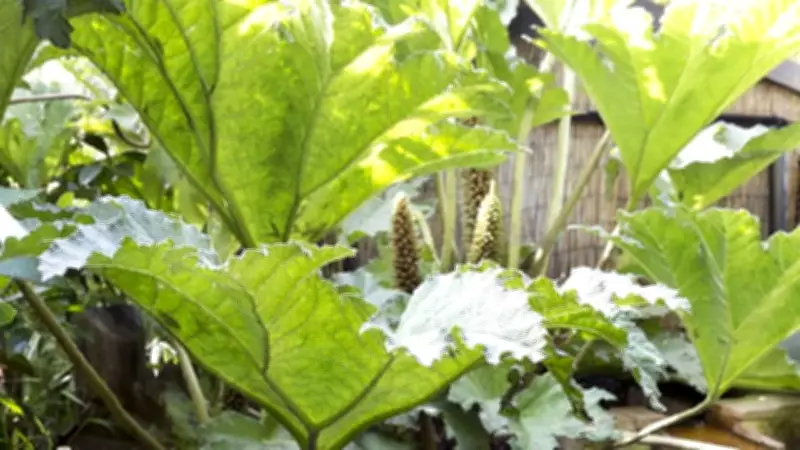
While many plants enhance the beauty of gardens, some species are prohibited or strictly controlled in the United Kingdom due to their potential to damage local ecosystems, waterways, wildlife, and even buildings. These invasive plants often grow aggressively, outcompete native species, and become nearly impossible to remove. Cultivating them can lead to legal consequences. Here are seven plants that are banned or heavily restricted in UK gardens.
1. Japanese Knotweed – A Threat to Buildings
Japanese knotweed is notorious for its aggressive growth and ability to damage building foundations and other structures. It is illegal to allow this plant to spread, and improper disposal can result in legal trouble. Its rapid growth makes it a serious concern for homeowners and developers alike.
2. Giant Hogweed – Dangerous to Touch
Giant hogweed poses a direct risk to human health. Its sap can cause severe skin burns and rashes upon contact. This plant spreads quickly along roadsides and riverbanks, harming local ecosystems by outcompeting native vegetation.

3. Himalayan Balsam – Fast-Spreading Near Water
Despite its attractive pink flowers, Himalayan balsam spreads rapidly and dominates areas, crowding out other plant species. It is difficult to control, and its roots exacerbate soil erosion along riverbanks, making it a significant environmental threat.
4. Water Hyacinth – Harmful to Ponds
Water hyacinth is a floating plant with beautiful purple flowers, but it can completely cover ponds, blocking sunlight and reducing oxygen levels in the water. This harms fish and other aquatic life, making it a banned species in UK waterways.
5. New Zealand Pygmyweed – A Hidden Invasive Threat
This small aquatic plant may seem harmless, but it can rapidly cover ponds and lakes, forming dense mats that disrupt local ecosystems. It is extremely difficult to remove, as even tiny fragments can regenerate into new plants.
6. Parrot's Feather – Invasive in Water Gardens
Often sold for ornamental ponds, parrot's feather features feathery foliage. However, it spreads aggressively across water surfaces, creating dense cover that depletes oxygen and harms aquatic life. Its cultivation is restricted in the UK.
7. Skunk Cabbage – Harmful to Wetlands
Skunk cabbage, with its unusual appearance, is considered a weed in some UK regions. It spreads aggressively in wet soils, gradually destroying native wetland ecosystems. Its growth is heavily controlled.
Disclaimer
This article is for general informational purposes only. The plants mentioned are subject to UK environmental regulations and invasive species laws, which may change. Restrictions on growing, selling, transporting, or disposing of certain plants can vary. Readers should consult official UK government resources or local environmental agencies for the most accurate and up-to-date legal information before planting or removing any restricted species.