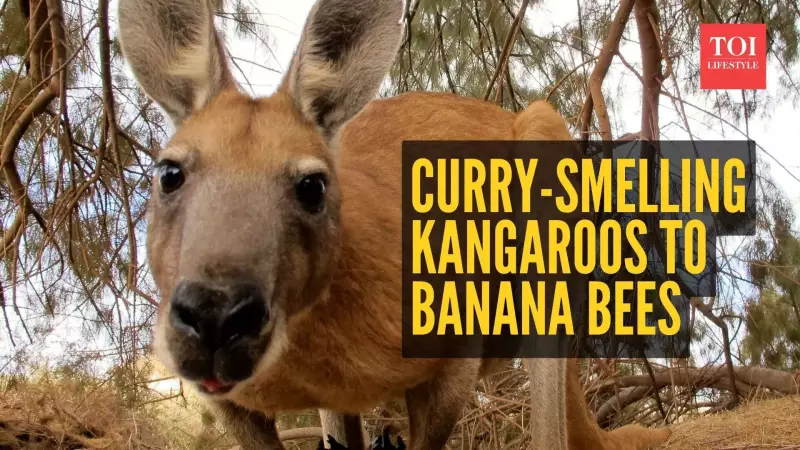
Have you ever imagined a kangaroo smelling like a spicy curry or a bee emitting a banana-like aroma? In the fascinating world of wildlife, some creatures possess natural scents that are uncannily similar to the foods we eat every day. This intriguing phenomenon, often highlighted in social media posts, is not a quirky coincidence but a vital tool for survival in the wild. Let's explore six animals whose unexpected fragrances will surprise you.
Why Animals Evolved Food-Like Smells
In nature, smell is a powerful language. For animals, these distinctive scents are not about pleasing human noses but serve critical functions like defense, communication, and marking territory. What we perceive as a familiar food aroma is, in the animal kingdom, a sophisticated signal for warning predators, attracting mates, or defining social hierarchy. The scents are a product of complex chemical compounds and glandular secretions, each tailored to the animal's specific ecological needs.
A Closer Look at Six Scent-Sational Creatures
From the forests of Southeast Asia to the outbacks of Australia, nature is full of olfactory surprises. Here are six animals that have mastered the art of smelling like your pantry staples.

1. The Peanut Butter Toad
Certain species of spadefoot toads have a unique defense mechanism: when threatened, they can release a secretion that smells remarkably like peanut butter. This scent acts as an irritant to potential predators, giving the toad a crucial window to escape. It's a clear warning sign in the amphibian world.
2. The Popcorn-Scented Bearcat
The binturong, also known as the bearcat, is a mammal from Southeast Asia famous for its peculiar odor. The scent from its scent glands is often described as the warm, buttery smell of popcorn. This aroma is used to mark its territory, communicating its presence to other binturongs in the dense forest canopy.
3. The Cucumber-Smelling Snake
North America's copperhead snake has a less aggressive but equally effective warning system. When disturbed or feeling danger, it may emit a cucumber-like smell. This mild, fresh scent serves as an alert to other animals to keep their distance from the venomous reptile.
4. The Honey-Fragranced Parrot
The critically endangered kakapo parrot of New Zealand is not only flightless but also fragrant. This nocturnal bird carries a naturally sweet, honey-like aroma. While the exact evolutionary purpose is debated, this distinctive scent is a key part of the kakapo's unique identity in the avian world.
5. The Curry-Spiced Kangaroo
In a surprising twist from the Australian bush, male western grey kangaroos are known to produce a strong, musky odor that many people compare to curry powder. This scent is linked to male hormones and plays a role in social signaling, helping distinguish males and communicate status within the mob.
6. The Banana-Alarm Bees
Common honey bees have an ingenious alarm system. When a bee stings or perceives a grave threat to the hive, it releases an alarm pheromone called isoamyl acetate. To the human nose, this chemical smells distinctly like ripe bananas. It alerts other bees to danger, mobilizing the colony's defense. This scent can linger on clothing, explaining why beekeepers advise calmness around hives.
Nature's Ingenious Survival Toolkit
These food-mimicking scents underscore a fundamental truth about wildlife: every trait has a purpose. The peanut butter of the toad, the popcorn of the binturong, and the banana signal of the bee are all exquisite adaptations honed by evolution. They remind us that the natural world is interconnected in the most unexpected ways, often bridging the gap between the wild and our everyday experiences. The next time you catch a whiff of popcorn or curry in an unexpected place, remember, it might just be nature's way of sending a message.

Disclaimer: This article is based on information from publicly available sources as of January 2026. Animal behaviors and scents can vary based on species, individual differences, and environmental conditions. The details are for informational purposes.