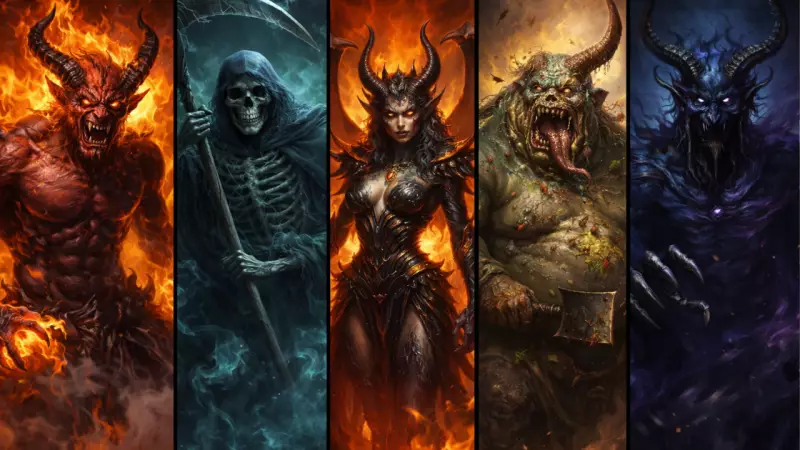
In the rich tapestry of world mythology, demons are far more than simple monsters. They are complex symbols, representing deep-seated human fears, desires, and the eternal struggle between order and chaos. A recent exploration, published on December 26, 2025, delves into five primary classifications of these beings, revealing their nuanced roles as embodiments of imbalance, unchecked ambition, and psychological conflict.
Beyond Evil: Demons as Cosmic Symbols
Across cultures, and particularly within Indian traditions, demonic figures were rarely one-dimensional villains. They often possessed great knowledge, spiritual power, and even noble qualities, yet their stories ended in downfall due to fatal flaws like pride or defiance. These narratives served as ancient tools to explain both internal human struggles and external cosmic principles.
1. The Asuras: Ambition and the Quest for Power
Asuras stand as the most renowned demonic entities in Hindu texts. Early descriptions paint them not as mindless evil, but as powerful, intelligent rivals to the gods (devas). The core distinction lies in their intent. While devas uphold cosmic harmony, Asuras are driven by personal ambition and the desire for absolute control.

Figures like the ego-consumed Hiranyakashipu and the generous yet destined Mahabali illustrate the spectrum of Asura nature. They symbolize the peril of placing unchecked power and dominance above universal balance and dharma.
2. The Rakshasas: Masters of Illusion and Desire
Rakshasas are the shape-shifters and psychological manipulators of mythology. Residing in liminal spaces like forests and cremation grounds, they represent the chaos that blurs the edges of order. Their weapon of choice is not always brute force, but maya (illusion), used to deceive and confuse.
The epic character Ravana, a mighty Rakshasa king, exemplifies this complexity—a great scholar and devotee of Shiva undone by his own attachment and desire. Rakshasas symbolize how intellect, when enslaved by ego and unchecked desire, leads to a distorted perception of reality.
3. The Daityas: The Defiant Rebels
Born from Diti, the Daityas are portrayed as aggressive adversaries of the devas, embodying rebellion against established cosmic law. Unlike the deceptive Rakshasas, Daityas favor direct confrontation, challenging divine authority head-on.
Their stories often highlight their intense penance and the powerful boons they gain, which they then misuse. Their ultimate defeat typically stems from overconfidence and the corrupting nature of power, serving as a warning against defying the natural order through sheer force.
4. The Danavas: Architects of Intellectual Chaos
Closely related to Daityas, the Danavas, descendants of Danu, are associated with cosmic disruption and technological chaos. They are frequently depicted as highly inventive and strategic, sometimes surpassing the gods in skill and knowledge.
Danavas represent the ancient understanding that intellect and progress, without the guiding principles of ethics and responsibility, lead to destruction. They personify the chaos that erupts when knowledge is divorced from wisdom and restraint.
5. The Yakshas: The Ambiguous Guardians
Yakshas occupy a unique, ambiguous space. They are nature spirits and guardians of hidden treasures and forests, not inherently evil. Their classification among demonic beings stems from their unpredictable and often possessive nature.
Yakshas symbolize the human desire for material wealth and attachment to possessions. Their mythology teaches balance: when respected, they are protectors; when provoked or when greed oversteps, they become punishers. They remind us of the need to honor what we take from the natural world.

Mythology's Enduring Lessons
This classification of five demon types—Asuras, Rakshasas, Daityas, Danavas, and Yakshas—offers more than folklore. It provides a symbolic framework for understanding human psychology and societal values. These stories, passed down for generations, continue to warn against the internal "demons" of unchecked ambition, desire, ego, and rebellion, advocating for a life of balance, wisdom, and respect for the cosmic order.